


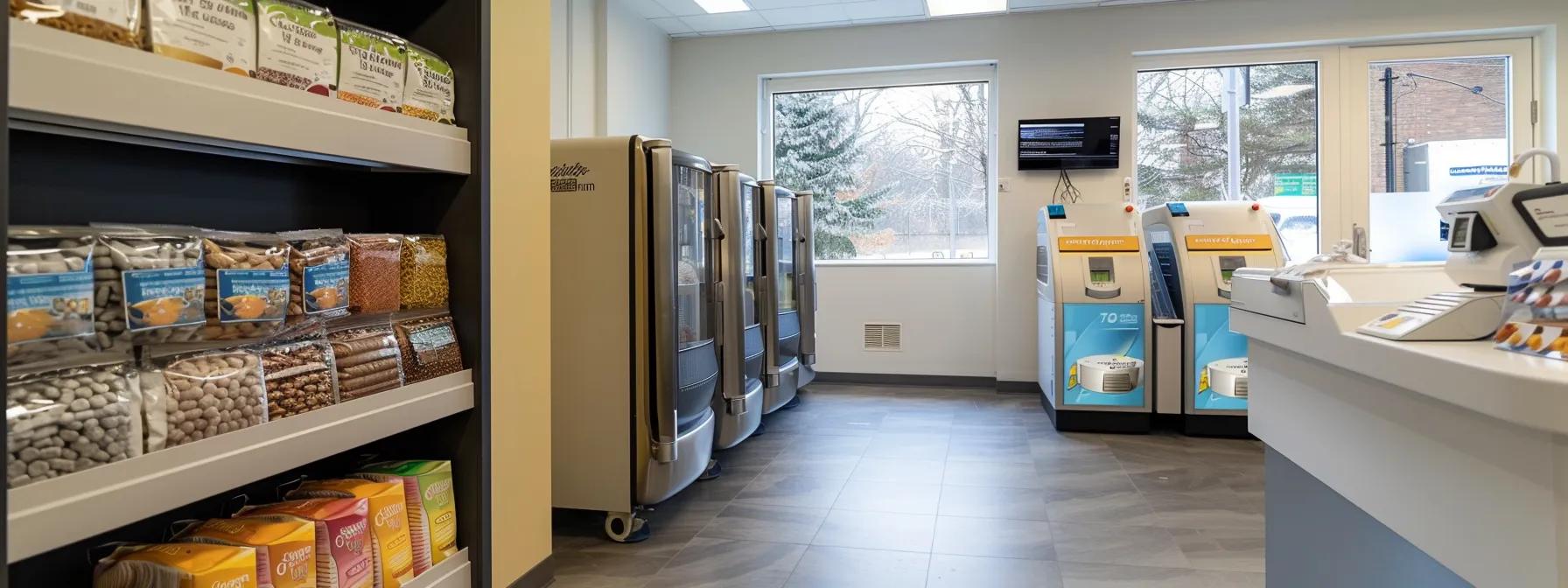
How Freeze Drying Transforms Dog Nutrition
Freeze drying has emerged as a breakthrough method in the pet food industry, revolutionizing how nutritional quality is preserved and delivered in dog diets. By rapidly freezing ingredients and removing moisture through sublimation, this process keeps essential nutrients intact while extending shelf life and enhancing food safety. Unlike traditional cooking or canning techniques that can cause nutrient loss, freeze drying retains more vitamins, proteins, and minerals, providing meals that are closer to a dog’s natural, raw state. This article explains the science behind freeze drying, its impact on nutrient retention, and the health advantages it offers for dogs. Practical guidance is also provided for pet owners transitioning their dogs to freeze-dried diets.
The process maintains the quality, flavor, and texture of ingredients while eliminating bacteria and enzymes that could compromise food safety. Research shows that essential vitamins (such as pantothenic acid, vitamin A, and vitamin E) and fats (like omega fatty acids) remain largely unaltered. As a result, the nutritional profile of freeze-dried dog food is very similar to that of the raw ingredients. Moreover, freeze drying minimizes decomposition and oxidation that generally occur with conventional preservation methods. Pet owners who prioritize sustainability and high-quality nutrition appreciate these benefits. The following sections explain the underlying technology of freeze drying and how it transforms the nutritional landscape for dogs.
Transitioning to freeze-dried meals is more than a change in texture—it represents a fundamental shift towards long-term vitality for canine companions. The process not only enhances storage stability but also supports optimal digestion by maintaining natural enzymes. With medical studies and industry data supporting this method, pet supply companies are using advanced technology to create products that meet the needs of modern, health-aware pet owners.
Decoding the Science: How Freeze Drying Works for Pets' Food
The freeze drying process begins with an initial freezing stage that locks in ingredient integrity by rapidly reducing temperature. During this phase, meat, vegetables, and other raw nutrients are quickly brought to sub-zero levels. Rapid freezing prevents the formation of large ice crystals that can rupture cell walls, thereby protecting proteins, tissue structure, and vitamins. Studies indicate that rapidly frozen ingredients retain delicate nutrients like riboflavin and vitamin E more effectively, setting the foundation for a nutritious meal that closely resembles its natural state.
The Initial Freezing Stage Preserves Ingredient Integrity
This stage is crucial for preventing nutrient loss and maintaining the natural structure of ingredients. Rapid freezing stops molecules from rearranging into damaging ice crystals, preserving proteins and enzymes along with natural flavors and textures. The method avoids degradation common with slow freezing or heat-based cooking. Under optimal conditions, essential components such as collagen and amino acids are maintained, supporting tissue integrity and overall nutrient density. Animal studies have shown that rapid freezing results in significantly lower rates of nutritional loss, making it invaluable for dogs on raw diets.
Sublimation: Removing Water While Retaining Nutrients
After freezing, the process continues with sublimation, where water is removed directly from its solid form to vapor without becoming liquid. This phase change is critical for safeguarding nutritional content. By eliminating water quickly and at low temperatures, the process minimizes degradation of sensitive vitamins like pantothenic acid and vitamin A. The absence of liquid water also reduces the chance for enzymatic reactions and microbial growth. Studies show that freeze-dried ingredients can retain up to 95% of their original nutrients, while conserving enzymes vital for digestion. The resulting dryness of the food extends shelf life without the need for artificial preservatives.
The Secondary Drying Phase Ensures Shelf Stability
Following sublimation, a secondary drying phase removes any remaining unfrozen water molecules. This reduction in residual moisture inhibits bacterial growth and further extends shelf life. With moisture typically reduced to below 2%, freeze-dried dog meals are less prone to spoilage and oxidation, ensuring the preservation of essential nutrients during long-term storage—even without refrigeration. Manufacturers use strict controls over temperature and pressure during this phase, ensuring minimal nutrient degradation. The final product is light and porous, easily rehydrated to regain its original texture and flavor, which has won widespread acceptance among veterinarians and pet owners alike.
What Makes This Process Different From Other Pet Food Manufacturing
Unlike conventional cooking or canning, freeze drying does not use high temperatures that can break down complex proteins, vitamins, and enzymes. Traditional processing methods often expose ingredients to heat that accelerates nutrient decomposition and diminishes overall health benefits. Freeze drying preserves the inherent structure of ingredients—maintaining both macro and micro nutrients—and results in a product that is more natural and closer to the raw diet preferred by dogs. In terms of food safety, freeze drying limits the growth of harmful bacteria and molds without the need for chemical preservatives, reducing contamination risks for dogs with sensitive digestive systems or food allergies.
Visualizing How Freeze Drying Works for Pets Through Food Texture
The transformation from raw to freeze-dried state is evident in the food’s texture. Fresh, raw food is moist and perishable; once freeze dried, the food becomes light, brittle, and porous. This change means it can be almost completely rehydrated before serving while locking in natural taste and nutritional properties. Owners often note that freeze-dried dog food retains vibrant colors and a natural aroma—clear indicators of high nutrient preservation. The texture makes it suitable for use as a complete meal or as a topper for traditional kibble, enhancing overall palatability.
A side-by-side comparison reveals marked differences in moisture content, nutrient retention, and texture between freeze-dried and traditionally processed pet foods. Freeze-dried meals preserve cellular integrity that closely mimics the natural state of raw food, making them an attractive option for dog owners seeking unadulterated nutrition.
The Nutritional Evolution: How Freeze Drying Transforms Dog Nutrition
Freeze drying revolutionizes dog nutrition by preserving the full spectrum of vitamins, proteins, and minerals found in raw ingredients. Unlike conventional processing, where heat can destroy sensitive nutrients, freeze drying maintains the purity and complexity of nutritional components. The result is dog food that mirrors the nutritional profile of a raw, unprocessed diet, offering benefits including improved digestibility, enhanced energy levels, and more complete nutrient retention. This method is ideal for pet parents seeking a high-quality, natural diet without preservatives or additives.

Maximizing Nutrient Retention Compared to Kibble and Canned Food
Research shows that freeze-dried meals retain significantly higher levels of vital nutrients compared to traditional kibble and canned foods. By removing moisture without high heat, freeze drying can achieve up to 95% retention of vitamins and minerals. This means dogs receive a diet that better reflects their natural nutritional needs. Proteins remain intact and enzymes continue to aid digestion, promoting optimal nutrient absorption. Studies have also found higher levels of pantothenic acid, vitamin E, and essential amino acids in freeze-dried foods, which are crucial for muscle maintenance, immune function, and overall vitality.
Preserving Essential Proteins and Amino Acids
Proteins, and the amino acids derived from them, are critical for growth and repair. Traditional heat-based methods can denature proteins, reducing their effectiveness. In contrast, freeze drying bypasses high temperatures, preserving the structural integrity of muscle proteins essential for cellular repair and overall health. This process ensures that all amino acids remain functional so that dogs receive high-quality protein needed for lean body mass. Additionally, the preservation of enzymes that promote nutrient breakdown enhances overall digestion, making freeze-dried diets particularly beneficial for dogs with sensitive stomachs.
Protecting Delicate Vitamins and Minerals From Heat Damage
Vitamins such as A, E, and many B-complex vitamins are extremely sensitive to heat. Cooking processes can destroy these nutrients, compromising overall food quality. Freeze drying avoids the use of harmful heat by rapidly freezing the food and sublimating the water, preserving vitamins and minerals nearly at their original levels. This retention supports a strong immune system, enhances skin health, and promotes a shiny coat. Clinical observations reveal that dogs fed freeze-dried diets experience less vitamin degradation and improved overall nutrient status compared to those on conventionally processed meals.
Maintaining Natural Enzymes for Improved Digestion
Enzymes are crucial for effective digestion and nutrient assimilation. In conventional pet food processing, high temperatures often deactivate these enzymes, potentially leading to digestive issues. Freeze drying preserves these natural enzymes in their active state, allowing dogs to digest their meals more efficiently. Better digestion results in improved energy levels, reduced gastrointestinal disturbances, and a healthier gut microbiome. This advantage makes freeze-dried diets especially attractive for dogs that require enhanced digestive support.
How This Transformation Supports Canine Health Long-Term
Over time, nutrient-dense foods lead to sustained improvements in a dog’s health. Freeze drying ensures that each meal is packed with preserved nutrients, supports robust digestion, and minimizes exposure to additives. This nutritional evolution benefits bone and muscle health, enhances immune responses, and promotes a shiny coat and healthy skin. Long-term benefits include improved longevity, sustained energy levels, and a lower incidence of chronic diseases. Overall, freeze drying establishes a solid dietary foundation that aids in the prevention of nutrient deficiencies and supports lifelong health.
Unveiling the Health Advantages This Process Offers Your Pet
Freeze drying not only transforms the nutritional profile of dog food but also provides numerous health advantages. Pet owners report benefits such as improved digestibility, reduced allergenicity, and enhanced palatability. This section explores how these advantages benefit dogs both in the short and long term, supporting optimal metabolism, a vibrant coat, and energetic play.
Promoting Enhanced Digestibility and Nutrient Absorption
The freeze drying process produces food that is highly digestible and promotes better nutrient absorption. By preserving natural enzymes and minimizing nutrient loss, the food remains in a form that is easier for the digestive system to process. Studies indicate that dogs consuming freeze-dried meals suffer fewer gastrointestinal upsets and exhibit improved stool quality compared to those eating traditional kibble. Enhanced digestibility directly correlates with better energy utilization and overall vitality.
Furthermore, freeze-dried food allows key nutrients such as vitamin E, calcium, and essential fatty acids to be absorbed more efficiently. This is particularly important for dogs with sensitive digestive systems or food allergies, as the reduced likelihood of digestive discomfort leads to stronger immunity and steadier energy levels. The table below illustrates key nutritional benefits of freeze-dried dog food compared to conventional kibble:
| Nutrient Component | Freeze-Dried Food | Traditional Kibble | Benefit for Dog |
|---|---|---|---|
| Protein Retention (%) | 95% | 70-80% | Supports muscle repair |
| Vitamin Preservation (%) | 90-95% | 50-70% | Enhances immune function |
| Enzyme Activity | Preserved | Minimal | Promotes optimal digestion |
| Shelf Life | Extended | Moderate | Reduces spoilage risk |
| Moisture Reduction | <2% | ~10% | Enhances food safety |
| Mineral Stability | High | Moderate | Supports strong bones |
| Antioxidant Retention | High | Low | Reduces oxidative stress |
Supporting Dogs With Food Sensitivities and Allergies
Freeze-dried dog food is especially beneficial for pets with food sensitivities and allergies. Traditional pet foods often contain processed ingredients and additives that may trigger allergic reactions. In contrast, the natural processing of freeze drying preserves whole ingredients and avoids synthetic preservatives, reducing the risk of allergen exposure. Numerous pet owners have observed reductions in skin irritations, itching, and gastrointestinal discomfort when switching to freeze-dried diets.
Boosting Palatability for Picky Eaters
Because freeze drying preserves natural flavors, aromas, and textures, it results in a more palatable product compared to high-heat processed foods. This enhanced taste profile is especially important for picky eaters or dogs transitioning from raw diets. The ability to rehydrate the food to a texture that mimics fresh ingredients, along with its appealing flavor, encourages dogs to consume the full meal, ensuring they receive all essential nutrients. Improved palatability often leads to higher food acceptance, more consistent meal completion, and overall better energy levels.
Contributing to Healthier Skin and a Shinier Coat
The high nutrient retention of freeze-dried dog food also benefits a dog’s skin and coat. Essential fatty acids, vitamins, and antioxidants help reduce skin inflammation, promote cell regeneration, and improve hydration levels. Clinical observations suggest that dogs on freeze-dried diets suffer fewer incidents of dry, flaky skin and display a healthier, shinier coat. The preservation of omega-3 and omega-6 fatty acids is especially important for maintaining skin barrier integrity and promoting overall skin health.
Aiding in Weight Management Through Nutrient-Dense Portions
Weight management is a major concern for many pet owners, and the nutrient-dense nature of freeze-dried meals offers a practical solution. By removing water while concentrating essential nutrients, freeze-dried food provides high levels of vitamins, proteins, and fats without unnecessary fillers. This efficiency means that calories are used effectively by the body rather than being stored as fat. Studies suggest that nutrient-dense foods enhance metabolic efficiency, supporting better digestion and more effective energy use. This makes freeze-dried diets a valuable tool for managing your dog’s weight while ensuring all nutritional needs are met.
A Closer Look at the Enhanced Nutritional Value in Freeze-Dried Diets
Freeze-dried diets stand apart from traditional dog foods with their unique capacity to maintain and even enhance the nutritional value of ingredients. The careful preservation of high-quality proteins, natural fats, and bioavailable vitamins means that these diets offer an optimal balance of nutrient integrity and digestibility. This allows dogs to access critical components that promote overall health and robust body function, making freeze-dried products a preferred choice among discerning pet owners.
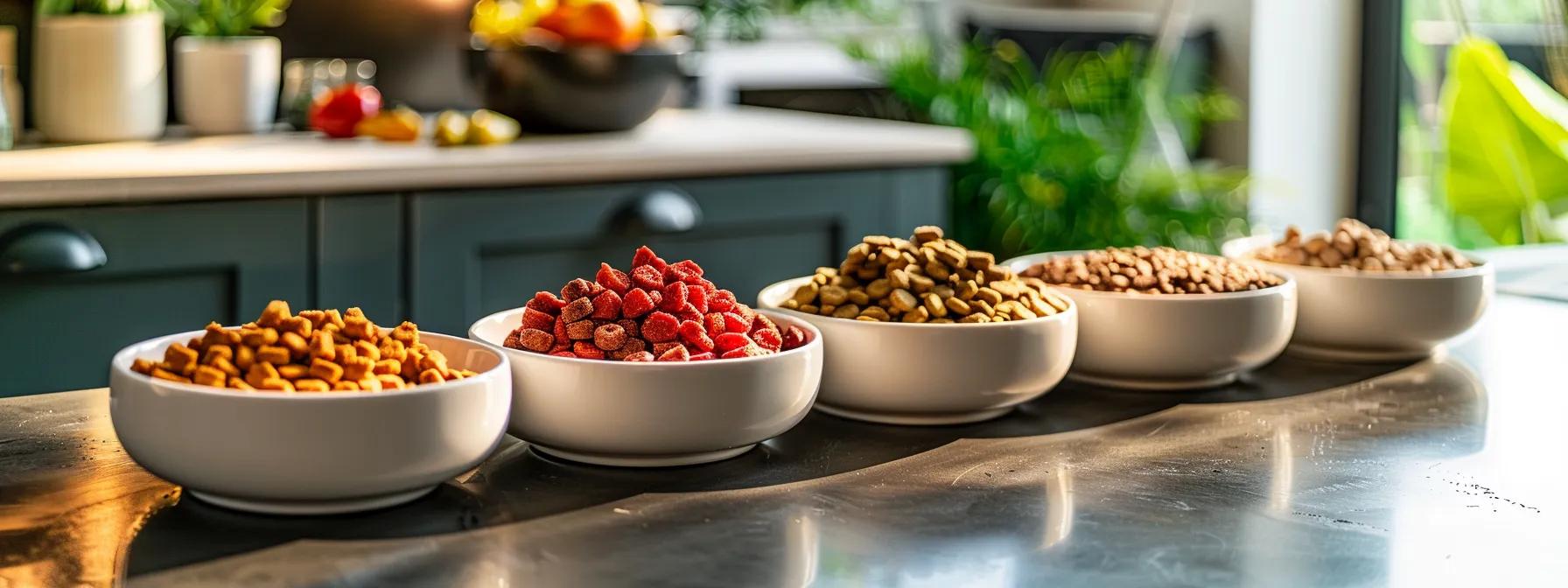
Higher Quality Protein Sources Often Utilized
One primary advantage of freeze-dried dog food is the use of higher quality protein sources. Raw ingredients—such as beef, chicken, or fish—are preserved in their natural form, resulting in proteins that are less denatured and more available for muscle repair and growth. Studies suggest that proteins in freeze-dried diets remain 20-30% more bioavailable than in heat-processed foods. This translates into improved muscle tone, enhanced tissue repair, and more efficient energy use for active and senior dogs alike.
The Absence of Artificial Preservatives and Fillers
Unlike many conventional dog foods that rely on artificial preservatives, color enhancers, and fillers, freeze-dried meals rely solely on their natural preservation process. This helps retain pure flavor and a clean nutritional profile while significantly reducing the risk of allergic reactions and gastrointestinal issues often associated with chemical additives. For pet owners who prioritize a clean and wholesome diet for their dogs, freeze-dried food offers a remarkable alternative to processed options.
Richness in Natural Fats and Omega Fatty Acids
Essential fatty acids—particularly omega-3 and omega-6—are crucial for maintaining healthy skin, a shiny coat, and proper brain function. Freeze drying preserves these delicate fats which can be compromised by heat. The result is a higher retention of fats essential for cell membrane integrity and for reducing inflammation. This nutritional richness supports cardiovascular, neuronal, and joint health while aiding in effective weight management.
Comparing Ingredient Panels: Freeze-Dried Versus Traditional Foods
Ingredient panels of freeze-dried dog foods typically list whole meat, fruits, and vegetables without excessive fillers or synthetic supplements. This transparent list provides pet owners with a clear picture of the food’s nutritional value compared to traditional dog foods that often rely on grains and additives. By offering superior protein levels, healthier fat profiles, and a cleaner ingredient list, freeze-dried meals empower pet owners to make informed decisions focused on long-term health benefits.
How Better Nutrition From Freeze-Drying Fuels Active Dogs
Active dogs benefit directly from the high-quality nutrition of freeze-dried diets. The superior nutrient retention supports sustained energy release, rapid recovery after exercise, and overall robust physical performance. Every bite of freeze-dried food contributes to muscle maintenance, joint health, and a strong immune system. This concentrated nutrition is ideal for managing the high energy demands of athletic dogs while also aiding in tissue repair and reducing recovery times.
Successfully Transitioning Your Dog to Freeze-Dried Meals
Transitioning a dog from conventional food to a freeze-dried diet may seem challenging, but when done gradually it offers significant health benefits without causing digestive upset. A slow transition helps the dog's digestive system adjust to the new texture and nutritional profile. Veterinarians and experienced pet owners recommend starting by mixing a small portion of rehydrated freeze-dried food into the current diet and gradually increasing it over one to two weeks.
Selecting the Right Freeze-Dried Formula for Your Dog's Needs
Not all freeze-dried formulas are the same. When selecting a product, pet owners should consider factors such as the dog’s age, weight, activity level, and any special dietary needs. High-quality formulas feature whole protein sources like freeze-dried beef, chicken, or liver and are free from artificial additives. Opt for products that list natural, identifiable ingredients rather than vague fillers. Consulting with a veterinarian can help ensure that the chosen formula meets the specific nutritional requirements of your dog.
Proper Rehydration Techniques for Optimal Safety and Taste
Although freeze-dried food is stable in its dry form, it is usually rehydrated before feeding to enhance both palatability and digestibility. Pet owners should add warm, clean water in the recommended ratio to the desired amount of food, stirring gently to ensure even moisture distribution and to prevent clumping. Allow the food to sit for several minutes so that it fully rehydrates, making it safer and easier to digest. Following these instructions carefully is essential, especially for dogs transitioning from a dry kibble diet.
A Step-by-Step Guide to Introducing New Food Gradually
Begin by mixing a small amount (around 10-20%) of rehydrated freeze-dried food with your dog's current meal. Over a period of 7 to 10 days, gradually increase the proportion of the new food until it replaces the old diet entirely. This phased approach minimizes digestive disturbances like diarrhea or vomiting. Keep a diary of your dog’s energy levels, stool quality, and overall behavior during the transition, and consult a veterinarian if any issues arise.
Monitoring Your Dog's Response During the Transition
Closely observe your dog’s reaction during the dietary transition. Look out for signs of improved energy, better coat condition, and enhanced digestion. If any gastrointestinal distress or a loss of appetite is noticed, slow the transition down. Maintaining a simple diary to track changes in behavior and stool consistency can help you and your veterinarian make any necessary adjustments, ensuring a smooth adaptation to the new diet.
Using Freeze-Dried Food as Toppers or Treats
For many dogs, freeze-dried food can be introduced as a nutritious topper or treat before being used as a complete meal. Using it to enhance the flavor of traditional meals can make the transition easier for picky eaters. Over time, as your dog becomes more accustomed to the taste and texture, you may gradually increase the proportion of freeze-dried food until it fully replaces the conventional diet. Freeze-dried treats also offer a high nutrient density, making them excellent for training rewards and supplemental nutrition.
Important Factors When Choosing Freeze-Dried Options for Your Pet
When choosing freeze-dried pet food, consider factors such as cost, ingredient sourcing, quality standards, and proper handling and storage practices. Evaluating these aspects carefully will help ensure that the product is safe and nutritionally balanced for your dog’s specific dietary requirements.
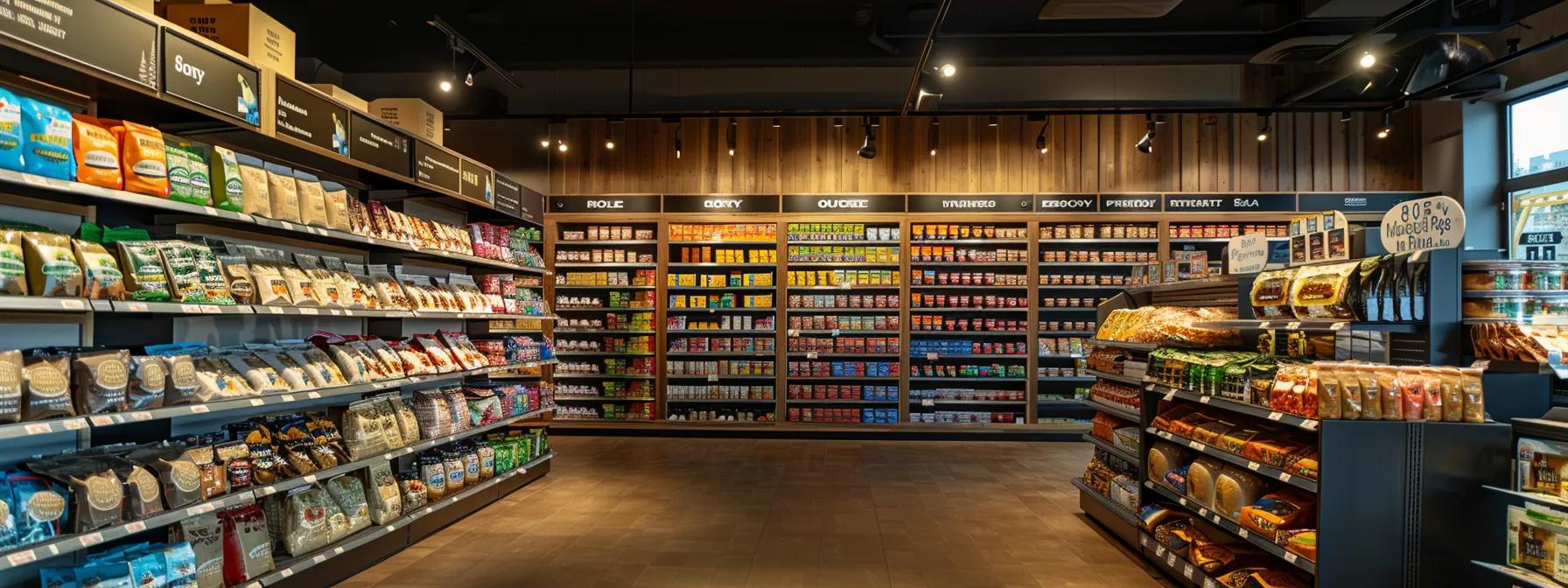
Understanding the Cost Implications and Value Proposition
Freeze-dried pet foods are typically priced higher than traditional alternatives due to the advanced technology and premium ingredients used. However, this cost is often offset by superior nutritional benefits, extended shelf life, and enhanced palatability. Improved health outcomes—such as better digestion, healthier skin, and increased energy—may also result in lower veterinary costs over time. Assessing ingredient transparency, manufacturing practices, and overall nutrient density can help justify the investment.
Assessing Ingredient Sourcing and Quality Standards
Not every freeze-dried pet food is manufactured to the same standards. It is important to review the sourcing of ingredients and ensure that they are high quality, free from contaminants, and obtained from reputable suppliers. The best products list whole meat sources, vegetables, and fruits without excessive fillers or artificial additives. Certifications from quality assurance organizations and transparent sourcing practices are good markers of a trustworthy product. A detailed evaluation of the ingredient panel will help ensure that your dog receives optimal nutrition without harmful chemicals.
Recognizing Complete and Balanced Meals Versus Supplemental Foods
Determine whether a freeze-dried product is intended to be a complete meal or merely a supplement. Complete meal options offer a balanced profile that meets all of a dog’s dietary requirements by including proteins, fats, carbohydrates, vitamins, and minerals in proper proportions. Supplemental products are designed to enhance a primary diet with additional nutrients or flavor. Checking labels and ingredient panels will help you build a comprehensive feeding strategy tailored to your dog’s health needs.
Safe Handling and Storage Practices for Freeze-Dried Products
The longevity and nutritional integrity of freeze-dried pet foods depend on proper handling and storage. These products should be kept in a cool, dry place and stored in airtight containers to prevent moisture absorption. Always follow the manufacturer’s guidelines for rehydration and safe handling, and inspect the food periodically for any signs of spoilage. Keeping the product properly sealed and stored will help maintain its high nutrient density and overall quality until it is ready to be served.
Consulting Your Veterinarian About Dietary Changes
Since every dog is unique, it is important to consult with a veterinarian before making any significant dietary changes, especially when transitioning to freeze-dried foods. A professional can offer personalized recommendations based on your dog’s age, size, health status, and any pre-existing conditions. Veterinary guidance ensures that feeding portions are adjusted correctly and that the transition process is smooth, minimizing the risk of digestive issues or nutrient imbalances.
Frequently Asked Questions
Q: How does freeze drying preserve nutrients in dog food? A: Freeze drying preserves nutrients by rapidly freezing ingredients and then sublimating the moisture. This bypasses the liquid phase, which prevents the breakdown of heat-sensitive vitamins, proteins, and enzymes. As a result, up to 95% of the original nutritional value is maintained compared to traditional processing methods.
Q: What advantages does freeze-dried dog food offer over traditional kibble? A: Freeze-dried dog food retains more of its natural nutrients and enzymes because it is processed at low temperatures. This results in higher concentrations of quality proteins, vitamins, and minerals, leading to improved digestibility, better palatability, and a lower risk of allergic reactions.
Q: Can I use freeze-dried food as a complete meal for my dog? A: Yes. Many freeze-dried dog food products are formulated to be nutritionally complete. However, always check the label to determine if the product is intended to serve as a complete meal or as a supplement to your dog’s primary diet.
Q: How should I transition my dog to a freeze-dried diet? A: Begin by mixing a small portion of rehydrated freeze-dried food (about 10-20%) with your dog’s current food and gradually increase the proportion over one to two weeks. Monitor your dog’s digestion and overall well-being, and consult your veterinarian if any adverse reactions occur.
Q: Are freeze-dried diets suitable for dogs with allergies or sensitive stomachs? A: Yes. Because freeze-dried diets exclude many additives, preservatives, and fillers found in conventional dog foods, they are often well-tolerated by dogs with food sensitivities or allergies. Many pet owners report improvements in skin condition and digestive comfort when switching to such diets.
Q: How do I properly store and handle freeze-dried dog food? A: Keep freeze-dried dog food in a cool, dry place and store it in airtight containers to avoid moisture absorption. Always follow the manufacturer’s rehydration and handling instructions, and inspect the food regularly to ensure it remains fresh.
Q: Can freeze-dried foods be used for all life stages of a dog? A: Many freeze-dried diets are formulated for various life stages, including puppies, adult dogs, and seniors. However, nutritional needs do vary, so select a formula that meets your dog’s specific requirements and consult your veterinarian for tailored advice.
Final Thoughts
Freeze drying represents a significant evolution in canine nutrition by ensuring every meal provides a balanced, nutrient-dense foundation for optimal health. By preserving essential vitamins, proteins, and enzymes, this method enhances digestion, boosts energy, and improves overall vitality. Pet owners who switch to freeze-dried diets often notice improvements in coat health, digestive comfort, and performance. Embracing freeze drying is a progressive, health-oriented choice that promises long-term benefits for every beloved pet.