

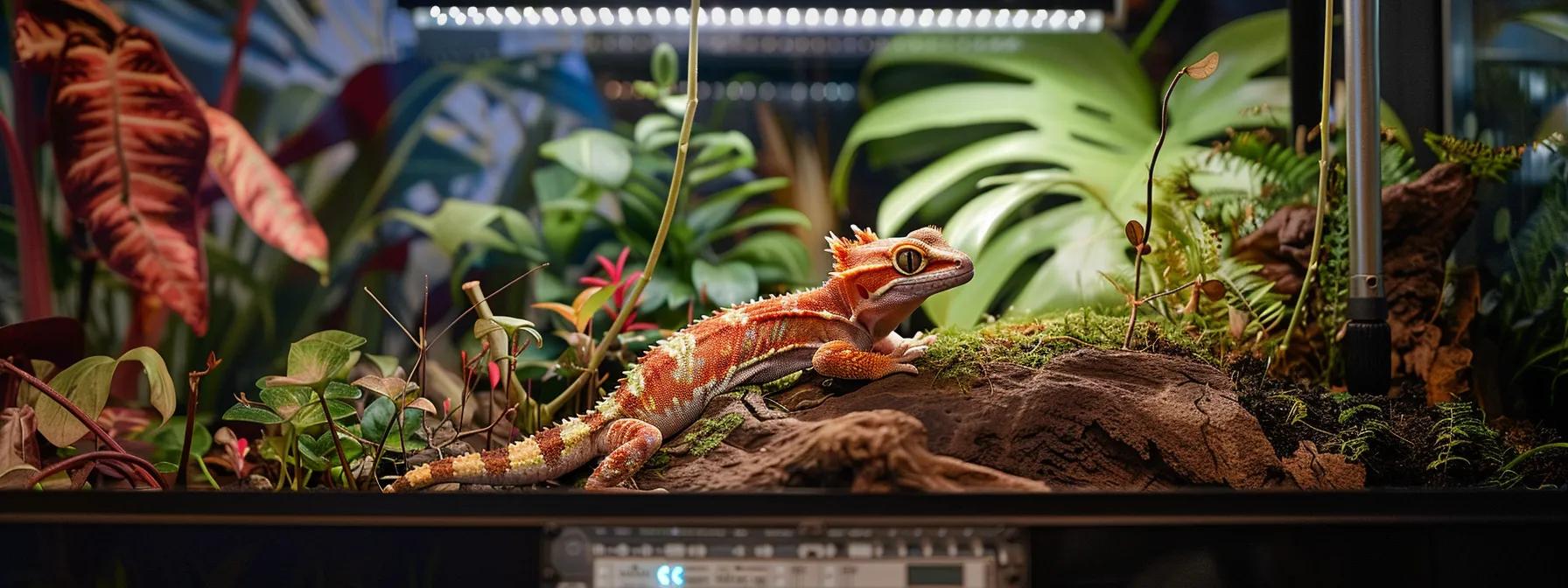
Ideal Temperature for Happy Crested Geckos
Maintaining the right temperature in a crested gecko's habitat is essential to their overall health and well-being. For reptile enthusiasts and pet supply professionals, understanding the precise temperature gradients within a terrarium can be the difference between a thriving pet and one that struggles. This article addresses various aspects of temperature management for crested geckos, explaining the ideal range, the impact on metabolism and activity, and the methods for achieving and maintaining these conditions. Pet owners and facility managers alike benefit from knowing not just the “what” but also the “why” behind each temperature parameter.
Temperature plays a pivotal role in crested gecko health because these reptiles are ectothermic, relying on environmental heat to regulate body functions. Inappropriate levels can lead to reduced appetite, compromised immunity, and increased stress. For instance, the choice of heating element—whether a ceramic emitter or heating pad—must correspond with both the enclosure’s ambient temperature and humidity levels, as these factors are interrelated. Proper temperature management reduces the risk of heat stroke and stress-induced behaviors, supporting natural metabolic rates and efficient nutrient digestion. This article delves into temperature ranges and the tools and techniques necessary to monitor and adjust those temperatures effectively.
The discussion begins by outlining why a controlled temperature range of 72-78°f (22-26°c) is crucial for gecko health and explains how terrarium temperature influences metabolism and activity. This foundational knowledge helps pet owners create a stable environment that mimics the reptiles’ natural habitat. Later sections detail correct methods for measuring temperature and discuss the best heating options available. Additional topics include the role of thermostats, the interaction between temperature and humidity, and the need for seasonal adjustments.
Ultimately, understanding and maintaining the ideal temperature for crested geckos is not just about avoiding extremes—it is about achieving a harmonious balance that supports every physiological function. With the correct tools, careful monitoring, and appropriate adjustments, pet owners can enhance their gecko’s quality of life. Let us now explore, step by step, each aspect of temperature management to ensure that every crested gecko enjoys a habitat conducive to its natural behaviors and metabolic needs.
What Is the Ideal Temperature Range for Crested Geckos?
Maintaining a range of 72-78°f (22-26°c) is essential for keeping crested geckos healthy. This temperature replicates the warmth found in their natural environment and ensures that bodily functions—from digestion to energy metabolism—operate optimally. In terrariums, this controlled range helps geckos regulate their metabolic rate effectively. Studies indicate that temperatures below this range result in sluggish digestion and low energy, while temperatures above can lead to overheating and stress.
Ambient room heat and the terrarium’s internal conditions constantly influence this range. Crested geckos require cooler spots within their enclosure to retreat from heat when necessary, creating a natural gradient. This gradient not only supports behavioral thermoregulation, allowing for natural movement and exploration, but also improves overall health by preventing continuous stress and lethargy.
Temperature also impacts their immune response. A stable range supports effective digestion and nutrient absorption, reducing risks of metabolic bone disease—a common issue when conditions are improper. By achieving this balance, pet owners can mimic the gecko’s natural behavior of seeking sunlit areas and retreating to shaded spots.
A practical method for ensuring the correct range is to set up reliable heating equipment like ceramic heat emitters or heating pads, which provide consistent, measurable warmth. Maintaining 72-78°f ensures skin and tissues stay free of stress-induced compounds and supports the gecko’s circadian rhythm, indirectly influencing feeding cycles and basking periods. Keeping temperatures within a safe window also discourages pathogens like mildew, which can thrive in overly damp or warm conditions.
Why Is Maintaining 72-78°f (22-26°c) Crucial for Crested Gecko Health?
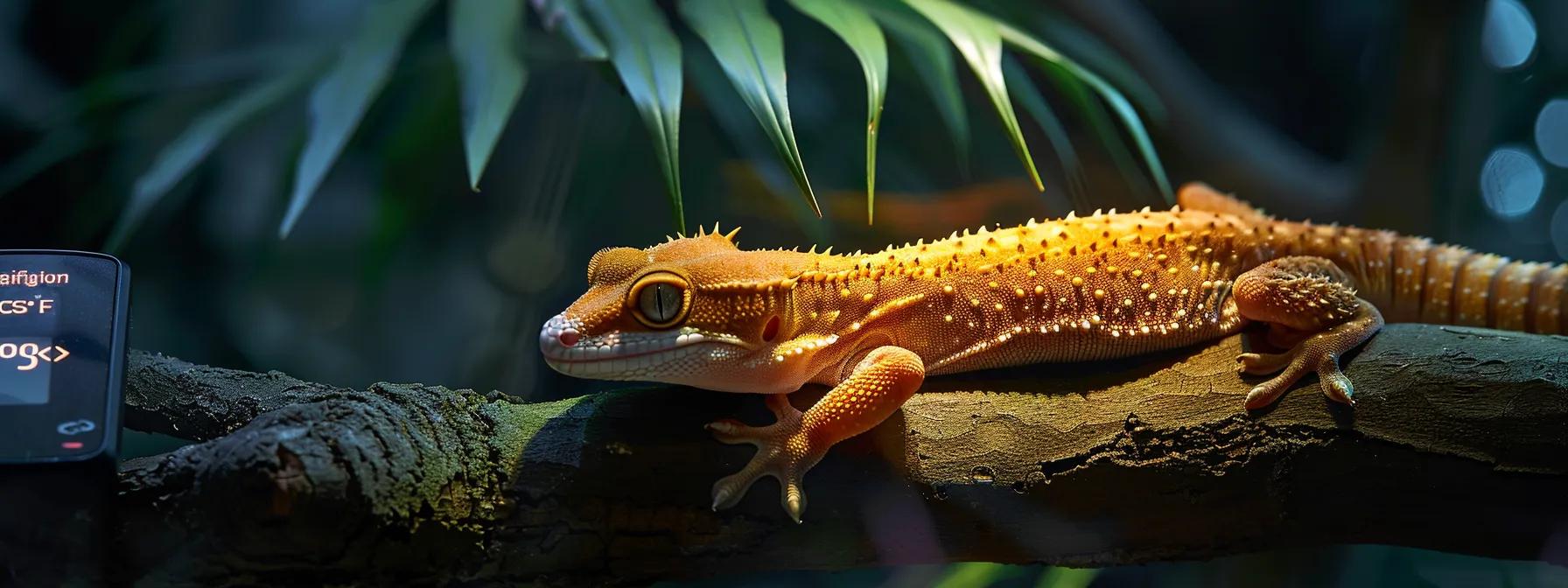
Maintaining the consistent temperature range of 72-78°f is crucial because it mirrors the gecko’s native habitat and supports key physiological mechanisms. Proper temperature prevents metabolic imbalances and lowers the risk of dehydration and heat stress.
A steady temperature supports efficient enzyme action and optimal digestion in ectotherms like crested geckos. When the temperature falls below 72°f, digestive functions can slow, causing incomplete digestion and poor nutrient assimilation. Conversely, temperatures above 78°f can result in hyperactivity, chronic stress, and even heat stroke. This ideal range establishes a safety zone where metabolic processes run effectively.
Additionally, a stable temperature minimizes fluctuations that might disrupt the gecko’s natural circadian rhythm. Experiencing a gradient within the enclosure—having both warm and cooler microhabitats—allows geckos to self-regulate their body temperature. Research shows that sudden temperature shifts can lead to increased cortisol levels, negatively impacting the immune system and promoting stress behaviors. Young hatchlings, being particularly vulnerable, rely on a finely tuned climate for optimal growth and enzyme activation crucial for protein synthesis. Ultraviolet exposure, when paired with the right ambient temperature, synergistically enhances vitamin D3 synthesis, essential for calcium metabolism and bone health.
Ensuring constant temperature also allows geckos to expend energy efficiently, letting more energy go toward growth, reproduction, and healing rather than thermoregulation. Owners who maintain these settings often report lower incidences of obesity and metabolic bone disease.
How Does Temperature Affect Crested Gecko Metabolism and Activity?
Temperature significantly influences the metabolism and overall activity level of crested geckos by affecting enzymatic reactions and cellular functions. When the ambient temperature is optimal, enzymes operate at peak efficiency, facilitating swift digestion and energy production. Conversely, suboptimal temperatures lead to slowed metabolism, reduced mobility, and diminished appetite.
Within the 72-78°f range, geckos exhibit behaviors that promote natural activity cycles. The gentle warmth encourages them during the day to venture out of their hideaways, forage, and explore, mimicking natural hunting and feeding patterns. This activity is critical for maintaining muscle tone and preventing obesity, which can result from insufficient movement. A proper temperature also supports thermoregulation by allowing geckos to alternate between basking and cooling, thus maintaining a balanced metabolic rate.
Insufficient heat may cause lethargy, reducing movement and nutrient uptake, which over time can lead to malnutrition and weight loss. Excessive heat, on the other hand, forces the gecko into a constant state of metabolic overload as it continuously works to cool off, which can lead to chronic stress and dehydration. The interplay between activity levels and ambient temperature ensures that energy expenditure is minimized when conditions are ideal.
Temperature also affects the gecko’s circadian rhythm, encouraging timely feeding, rest, and waste excretion. Sudden temperature shifts disrupt these rhythms, potentially impairing physiological functions. Stable conditions contribute to long-term health benefits such as improved bone density and higher survival rates. Additionally, enzyme activities involved in detoxification and stress responses become more efficient with proper warmth, supporting overall vigorous health.
What Are the Signs of Temperature Stress in Crested Geckos?
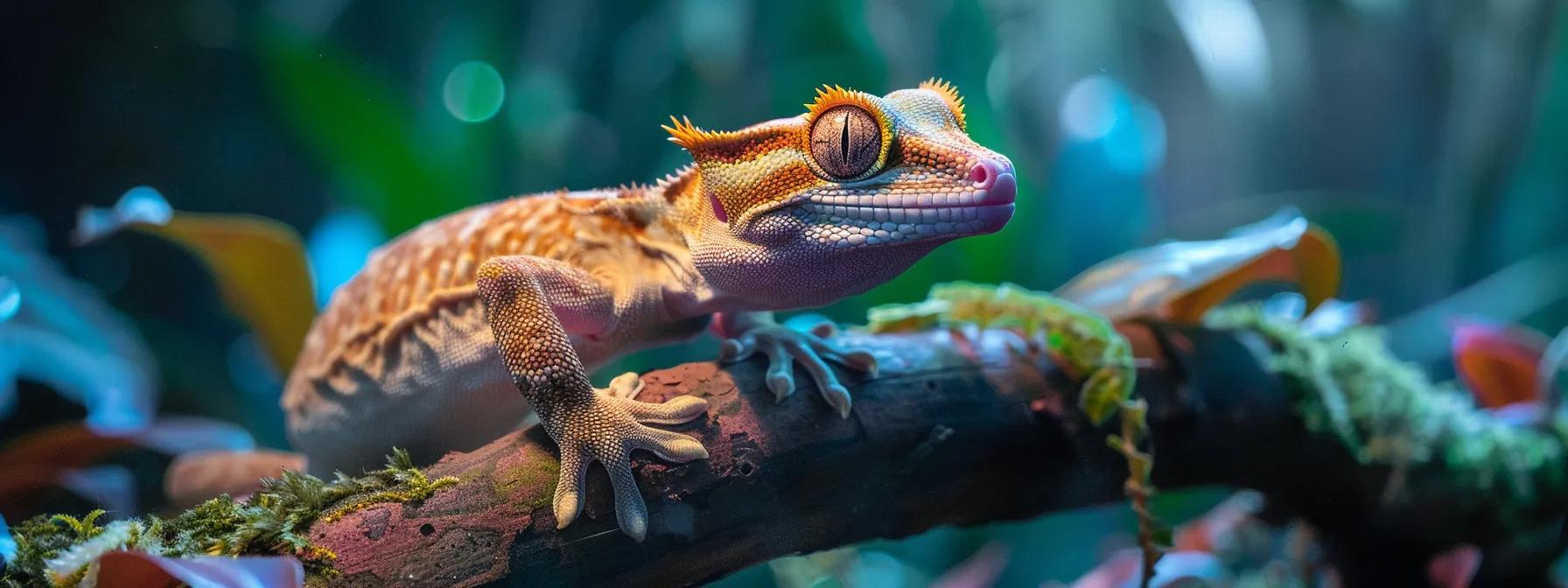
When crested geckos experience temperature stress, they exhibit clear behavioral and physiological signs. A gecko that is too cold may appear lethargic, hide for extended periods, and lose interest in food, while one that is too hot may become restless, display rapid breathing or panting, and show other signs of distress.
Physiologically, a drop in temperature can slow digestion, leading to extended inactivity and even constipation. Excessive heat, however, may cause the skin to become flushed or mottled, and geckos might drop their tail as a survival mechanism. Prolonged exposure to improper temperatures can lead to dehydration—evident through sunken eyes, dry skin, and reduced elasticity in the tail. In a too-warm environment, the animal may be observed shifting frequently between warmer and cooler spots, unable to settle in one area.
Other signs include a noticeable change in appetite and reduced feeding, leading to weight loss and weakened immunity. In states of stress, reproductive activities diminish as the gecko’s system prioritizes survival. Even the shedding process can be affected, with geckos exhibiting incomplete or overly frequent shedding, which may lead to skin infections if the old skin is not completely sloughed off. Recognizing these signs early through regular observation and digital monitoring allows for timely adjustments to ensure a healthy environment.
How Do You Accurately Measure Temperature in a Crested Gecko Terrarium?
Accurate temperature measurement is critical to maintaining optimal environmental conditions in a crested gecko terrarium. The process begins with selecting reliable thermometers. Digital thermometers with calibration capabilities are preferred for their accuracy and ease of data logging. While infrared thermometers can be used for spot measurements, they may not consistently capture the ambient temperature variations that occur within the enclosure. For continuous monitoring, dual-probe digital thermometers are ideal since they record both air and substrate temperatures.
Placement is key when measuring temperature. One thermometer should be positioned near the basking area to capture the highest temperatures, and another should be located in a cooler area to ensure a proper thermal gradient exists. Using devices with data logging functions helps track fluctuations over time, while regular calibration against a known standard guarantees ongoing accuracy.
Wireless sensors that connect to smartphone apps offer real-time monitoring without disturbing the gecko. These sensors can send alerts if temperatures drift out of the ideal range. It is important to avoid placing thermometers too close to heaters or in direct sunlight, as such placements can lead to inaccurate, skewed readings. Mounting devices at mid-level—where geckos are most active—provides the most representative data.
The substrate also influences thermometer readings; different materials retain heat differently, so using instruments that can measure both air and substrate temperature is recommended. Regular cleaning and maintenance of the terrarium prevent dust and moisture from affecting the thermometer’s performance.
Which Thermometers Are Best for Monitoring Crested Gecko Enclosures?
Digital thermometers equipped with both air and substrate sensors are most suitable for monitoring crested gecko enclosures. These devices provide continuous, real-time readings essential for tracking the temperature gradient throughout the terrarium. Dual-probe models are favored as they simultaneously record ambient and substrate temperatures within the prescribed range of 72-78°f. Models with remote wireless capabilities further enhance monitoring by logging data discreetly and alerting owners to deviations.
Where Should You Place Thermometers for Accurate Readings?
Thermometers should be strategically placed in various parts of the terrarium. One probe belongs near the basking area to capture the highest temperature, while another should be positioned in a cooler zone to confirm that a thermal gradient is maintained. Placing sensors at mid-level heights is recommended because crested geckos move about this area during activity. Avoid positions too close to heating elements or reflective surfaces to ensure unbiased readings.
How Often Should You Check and Record Terrarium Temperature?
It is recommended to check and record the terrarium’s temperature at least twice daily—once during the peak of the day and once during the cooler parts of the day or at night. Regular logging provides critical insights into the consistency of the environment over a complete cycle, and periodic calibration of thermometers is essential for long-term accuracy. Modern digital thermometers that feature data logging can simplify this task by tracking temperature trends and aiding troubleshooting efforts.
What Are the Best Heating Methods to Maintain Ideal Temperature for Crested Geckos?
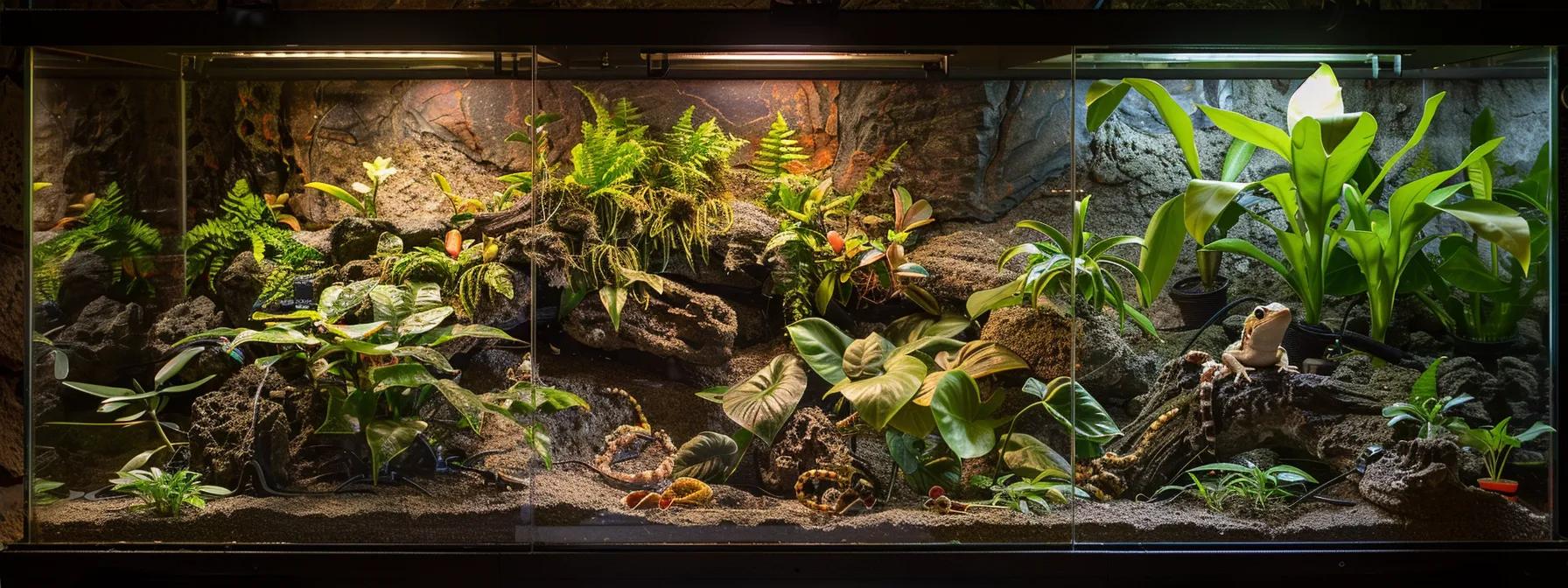
Selecting the best heating method is critical in maintaining the ideal temperature. Common options include ceramic heat emitters, heating pads, and heat lamps—each with its distinct benefits and drawbacks. Ceramic heat emitters are popular as they distribute heat evenly without emitting light, thus preserving the gecko’s natural circadian rhythm. Under-terrain heating pads gradually raise substrate temperature with gentle warmth, although precautions must be taken to prevent hot spots. Heat lamps offer localized warmth and can simulate natural sunbathing but must be positioned carefully to avoid overheating.
Often, a combination of a heating pad and an overhead ceramic emitter is used to create a balanced gradient that caters to both basking and cooler resting areas. Selecting energy-efficient, safe-for-continuous-use devices that work with thermostat controls is essential for precise management.
A common challenge is achieving even heat distribution throughout the terrarium. Employing diverse heating methods simultaneously, with adjustments made for the enclosure’s size and shape, is advisable. Manufacturers design these devices specifically for reptile use to provide stable, near-constant output and avoid sudden spikes. Regular assessments using calibrated thermometers offer benchmarks to further fine-tune the system using a thermostat that can automatically adjust output if necessary.
How Do Heating Pads Compare to Ceramic Heat Emitters and Heat Lamps?
Heating pads, placed beneath the terrarium, offer consistent warmth to the substrate and the base. Ceramic heat emitters, producing heat without light, are ideal for nocturnal heating without disturbing the gecko's rest cycle. Heat lamps provide directional light and heat to simulate natural sunlight, benefiting geckos requiring a basking spot. Each method has unique advantages: heating pads provide broad warmth; ceramic emitters maintain a steady output without disruptive light; and heat lamps deliver concentrated heat that can be adjusted as needed. Studies note that heat lamps, if not monitored, may cause temperature spikes, while ceramic heat emitters and heating pads generally ensure more stable conditions.
What Are the Safety Considerations When Using Heating Devices?
Safety is paramount when integrating heating devices. Overheating can lead to heat stroke or thermal burns, so devices with automatic shutoff features or thermostatic controls are crucial. Ensuring that heating elements are securely mounted and kept at safe distances from flammable substrates and decorations is essential. Regular inspections for wiring integrity and cleaning of components help prevent dust buildup and potential malfunctions. Following manufacturers’ guidelines regarding placement in relation to basking and resting areas is also important for spread and diffusion of heat. Using products designed specifically for reptile enclosures minimizes risks and ensures safe, efficient operation.
Which Heating Products Are Recommended for Crested Gecko Terrariums?
Recommended heating products include high-quality ceramic heat emitters, digital heating pads with adjustable thermostat controls, and low-wattage heat lamps. Ceramic emitters are favored because they distribute heat evenly without disruptive light. Digital heating pads maintain consistent substrate warmth, and low-wattage heat lamps offer focused heat for basking areas while minimizing light disruption. Additionally, complete heating kits that include both a thermostat and a digital thermometer provide an integrated solution for simplified monitoring and adjustments. Many products are designed with features such as adjustable mounts and diffusion, suitable for various enclosure sizes.
Why Is Using a Thermostat Essential for Regulating Crested Gecko Terrarium Temperature?
A thermostat is essential for regulating a crested gecko’s terrarium temperature because it acts as a central control mechanism to prevent overheating or underheating. By continuously monitoring the ambient temperature and automatically adjusting the output of the heating element, a thermostat maintains the terrarium within the narrow range of 72-78°f. This precision helps avoid sudden spikes or drops that could stress the gecko and disrupt metabolic processes.
Thermostats also enhance energy efficiency by ensuring that heaters operate only when necessary. Modern digital thermostats can even mimic natural day-night fluctuations, allowing geckos to experience conditions similar to their native habitat. During seasonal transitions, these devices become especially critical as they adjust for external temperature variations. Many models include built-in redundancy and alert features, providing early warnings if temperatures deviate from the preset range. This not only safeguards the gecko’s health but also helps reduce energy consumption and prolongs the lifespan of the heating products.
How Does a Thermostat Prevent Overheating and Underheating?
A thermostat prevents overheating and underheating by continuously sensing the terrarium’s temperature and comparing it to the pre-set range of 72-78°f. If the temperature exceeds this range, it automatically reduces power to the heating device, and if it falls below, it increases power to bring the temperature back to the target. This continuous, real-time balancing act ensures a stable thermal environment for the gecko.
What Types of Thermostats Are Suitable for Crested Gecko Enclosures?
Suitable thermostats for these enclosures include digital models that can be plugged in or hardwired. They typically offer programmable settings, remote monitoring, and sometimes dual-probe options to monitor both ambient air and substrate temperatures. These features, along with ease of calibration and quick response times, make them well suited for maintaining the delicate balance needed in a crested gecko terrarium.
How to Set Up and Calibrate a Thermostat for Optimal Temperature Control?
Proper thermostat setup involves a few key steps. First, install the thermostat where it can accurately gauge the overall ambient temperature—away from direct heat sources or drafts. Connect it to the heating device and perform an initial calibration by comparing its readings with a known standard thermometer. Adjust the settings to stabilize the reading within 72-78°f, then secure the unit according to manufacturer's guidelines. It is advisable to test the system over several days and perform regular recalibrations, especially when seasonal changes occur.
How Does Temperature Interact With Humidity to Affect Crested Gecko Well-Being?
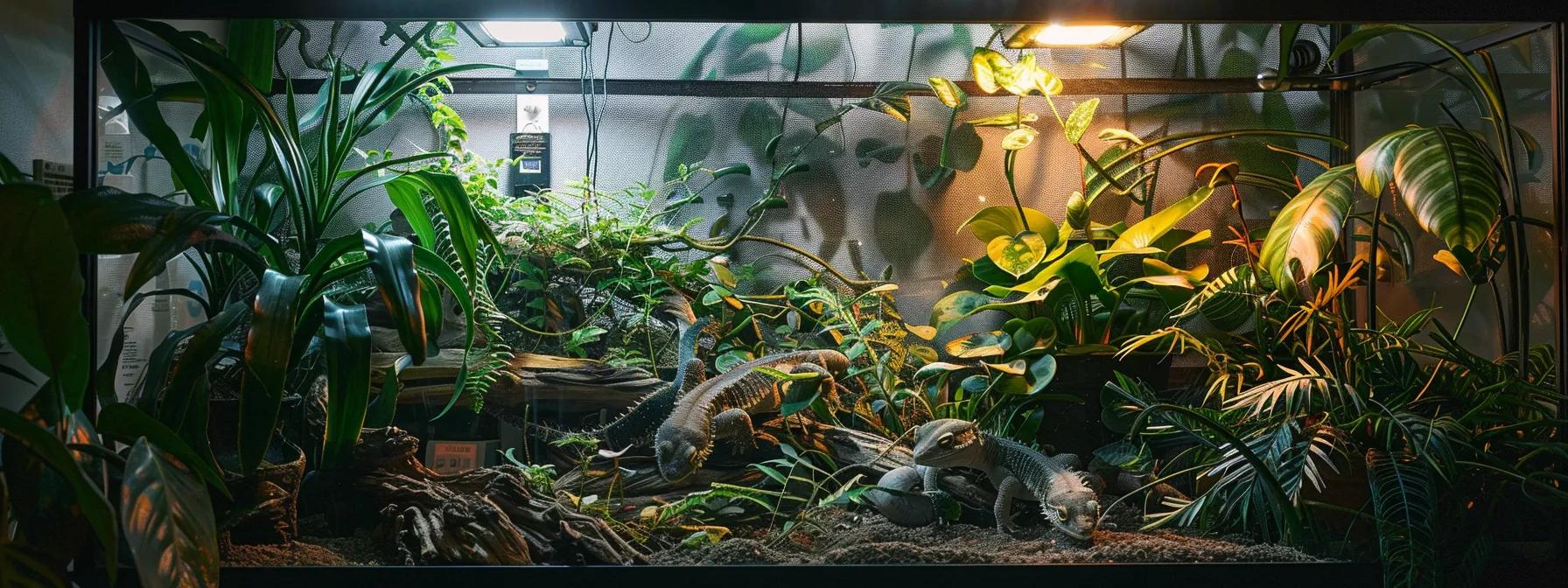
Temperature and humidity are interdependent factors that greatly affect crested gecko well-being. The ideal temperature range of 72-78°f works best when it is paired with a specific humidity level, typically between 50% and 70%. When balanced, this combination attracts beneficial microfauna and supports natural gecko behaviors. The right humidity level facilitates the shedding process, maintains healthy skin, and prevents problems such as mold growth or respiratory distress that can arise when conditions are too moist.
Maintaining correct humidity also aids thermoregulation by preventing rapid moisture loss from the skin, which is crucial since dehydration can exacerbate stress. Additionally, proper humidity helps preserve the structural integrity of the substrate by deterring the formation of detrimental mildew. Employing systems such as automatic misting devices or humidity controllers in combination with appropriate heating ensures that both factors remain balanced.
What Is the Ideal Humidity Range to Complement the Temperature?
The ideal humidity range to complement the 72-78°f temperature is between 50% and 70%. This range supports proper hydration, efficient shedding, and skin health while preventing the growth of fungus or mold.
How Can You Maintain Proper Humidity While Controlling Temperature?
To maintain proper humidity along with temperature, use integrated systems that measure and regulate both factors. Automatic misting devices paired with digital humidity sensors can adjust moisture levels in real time based on temperature fluctuations. Additionally, using a well-ventilated, moisture-absorbing substrate can help stabilize humidity levels. Regular observation and periodic adjustments ensure humidity and temperature remain aligned with the recommended ranges, safeguarding the gecko’s overall health.
What Are Common Problems When Temperature and Humidity Are Imbalanced?
Imbalances can lead to various issues. High temperatures with low humidity may cause rapid moisture loss and dehydration, increasing the risk of heat stroke or skin injuries. Conversely, high temperature combined with high humidity can encourage the growth of pathogens such as mildew or fungus, potentially leading to respiratory issues. Similarly, low temperatures paired with high humidity might slow metabolism, resulting in lethargy and decreased appetite. Regular monitoring and timely adjustments of both heating and misting systems are essential to prevent such complications.
How Can You Troubleshoot Common Temperature Issues in Crested Gecko Enclosures?
Troubleshooting temperature issues requires a systematic approach. A sudden temperature drop may be due to a malfunctioning heater or power outage, while overheating might result from blocked ventilation or unregulated heat lamps. In both cases, verifying thermostat calibration and using a backup heat source is key. Additionally, inspect for blockages in airflow, malfunctioning sensors, or faulty wiring, and perform regular maintenance and cleaning of heating elements. Documenting temperature fluctuations over several days can help distinguish between transient problems and recurring issues. Employing redundant systems, such as combining a heating pad with a ceramic heat emitter, further minimizes risks.
What Should You Do if Your Crested Gecko’s Terrarium Is Too Cold?
If the terrarium’s temperature falls below 72°f, first verify that the heating device is operating properly by checking thermometer readings. Adjust the thermostat or increase the heating power as necessary, and ensure there are no drafts or bypasses in the enclosure that could be contributing to the low temperature. If needed, temporarily supplement with a portable heat source while addressing the underlying issue, and continue to monitor the environment closely.
How to Respond to Overheating in a Crested Gecko Habitat?
When the terrarium becomes too hot, immediate cooling is necessary. Turn off or reduce the heat source, increase ventilation, or temporarily relocate the gecko to a cooler area. Check for signs of distress, such as panting or rapid breathing, and adjust the placement or intensity of the heat source. Adding barriers or shade structures within the enclosure can create cooler microhabitats, and quick intervention is essential to avoid long-term stress or heat-related injuries.
When Is It Necessary to Adjust Temperature Based on Seasonal Changes?
Seasonal changes in room temperature can affect the terrarium’s internal conditions. In cooler months, increasing the heat output may be necessary, while in warmer seasons, reducing heat or using intermittent heating might be appropriate. Continuous monitoring of both external and internal temperatures, along with regular reviews and calibrations, helps to adjust the system as needed to ensure stability despite seasonal fluctuations.
What Are the Best Practices for Seasonal Temperature Adjustments in Crested Gecko Care?

Seasonal adjustments require adapting heating systems and overall enclosure management. Best practices include periodic reassessment of the terrarium’s temperature gradient throughout the year and recalibrating heating elements as ambient room temperatures shift. In cooler months, additional heating pads or higher thermostat settings may be necessary, whereas in warmer periods, reducing heat output and improving ventilation is advised. Monitoring humidity is also crucial, as it can be affected by seasonal changes in both temperature and ambient moisture.
Implement a regular schedule for checking thermostats, sensors, and heaters during transitional seasons—spring and fall are particularly important. Verifying that all equipment functions accurately and keeping detailed records of temperature fluctuations can help identify the need for further adjustments. Supplementary insulation or draft guards can also aid in maintaining stability during extreme weather changes.
How to Modify Heating Setup During Cooler Months?
During cooler months, enhance the heating setup by increasing the output—this may include adding extra heating pads or slightly raising thermostat settings. Ensure that the heat is evenly distributed across the terrarium. Monitor substrate temperatures, which may lag behind air temperature, and consider installing an additional heat source if needed. Supplementary insulation such as draft guards or thermal mats can help retain heat and reduce energy loss.
How to Prevent Overheating During Warmer Seasons?
In warmer seasons, preventing overheating involves reducing the power of heat sources, improving airflow with fans or adjustable vents, and possibly relocating the terrarium to a cooler part of the house. Using shading within the enclosure can help create a balanced thermal gradient. Consistent monitoring ensures that even during external heat spikes, the climate remains within the ideal range. Adjust thermostat settings accordingly and consider intermittent use of heating devices.
How Does Ambient Room Temperature Affect Terrarium Temperature?
The ambient room temperature sets the baseline for the terrarium’s internal climate. Even well-calibrated heating systems can struggle if the room temperature is far from the optimal range. In cooler rooms, additional heating may be required, while in warmer environments, passive cooling or lower heat settings may be necessary. Owners must factor in the overall climate of the room when designing a heating setup and select thermostats that adjust based on ambient conditions.
Frequently Asked Questions
Q: How can I ensure that my crested gecko’s terrarium maintains the ideal temperature? A: Employ a combination of reliable heating devices and a digital thermostat, placing multiple thermometers throughout the terrarium to gauge both ambient and substrate temperatures. Regular calibration along with a smart misting system for humidity balance replicates the gecko’s natural habitat while preventing stress. Adjust devices seasonally and monitor for any signs of thermal stress.
Q: What are the dangers of having an improperly heated terrarium for crested geckos? A: An improperly heated terrarium can lead to lethargy, poor digestion, and increased susceptibility to infections when too cold, and to heat stroke, abnormal respiratory rates, dehydration, or tail loss when too hot. These imbalances can disrupt natural metabolism and behavior.
Q: Can I use household thermometers to monitor terrarium temperature? A: Household thermometers can offer a general idea, but they are less accurate than digital thermometers designed for reptile enclosures. Digital models with dual-probe configurations and data logging are preferred to ensure the temperature remains within a safe range.
Q: What measures should be taken during seasonal changes to protect crested geckos from temperature fluctuations? A: During seasonal transitions, routinely recalibrate the heating devices and adjust thermostat settings to reflect changes in room temperature. Utilize insulation like draft guards in winter or increase ventilation during summer. Regular monitoring with dual-probe thermometers and automated logs enables effective counteraction of fluctuations.
Q: How do combined temperature and humidity adjustments benefit crested gecko health? A: Combined adjustments create an optimal microclimate that supports efficient metabolic processes, proper digestion, and effective shedding. Balanced humidity helps maintain skin hydration and respiratory health, reducing long-term risks like fungal infections or metabolic bone disease.
Final Thoughts
A well-regulated terrarium environment is pivotal for the health and longevity of crested geckos. By maintaining the optimal temperature range of 72-78°f and complementing it with proper humidity control, pet owners can ensure that metabolic and behavioral functions remain stable. Precise monitoring with advanced digital thermometers and thermostats safeguards against detrimental fluctuations. Ultimately, a carefully managed environment replicates the gecko’s natural habitat while minimizing health risks, promoting a thriving and active pet.
