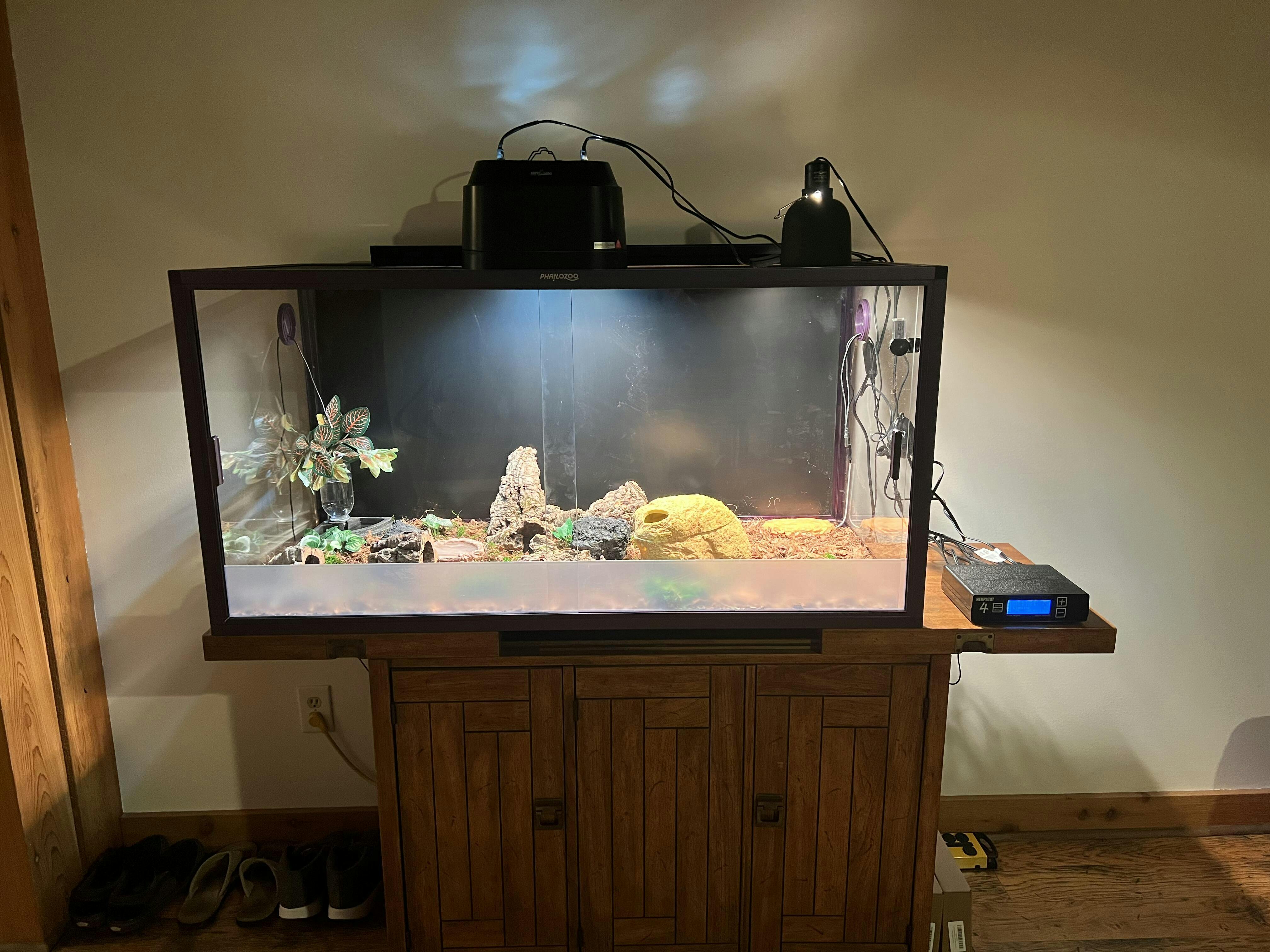
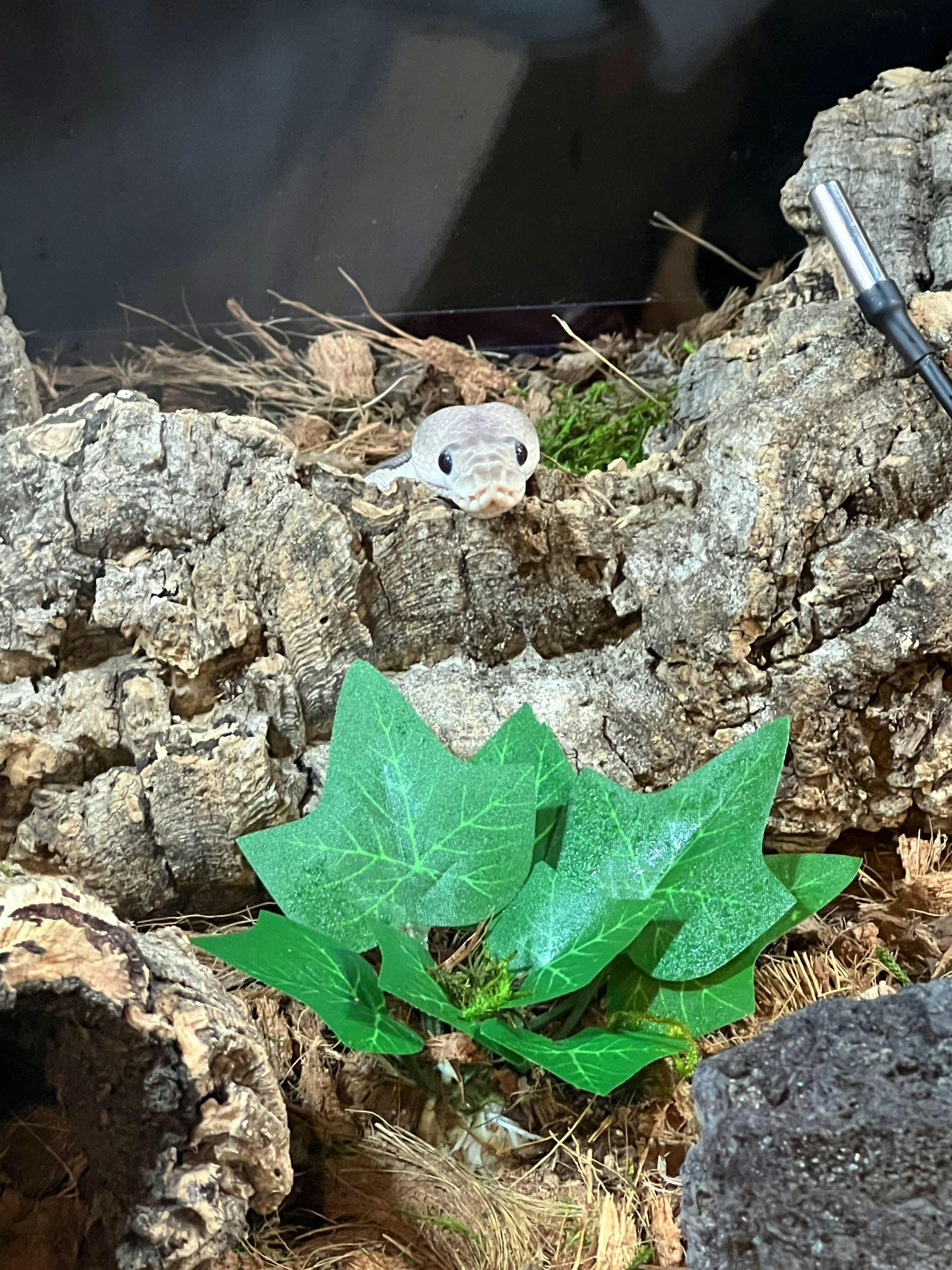
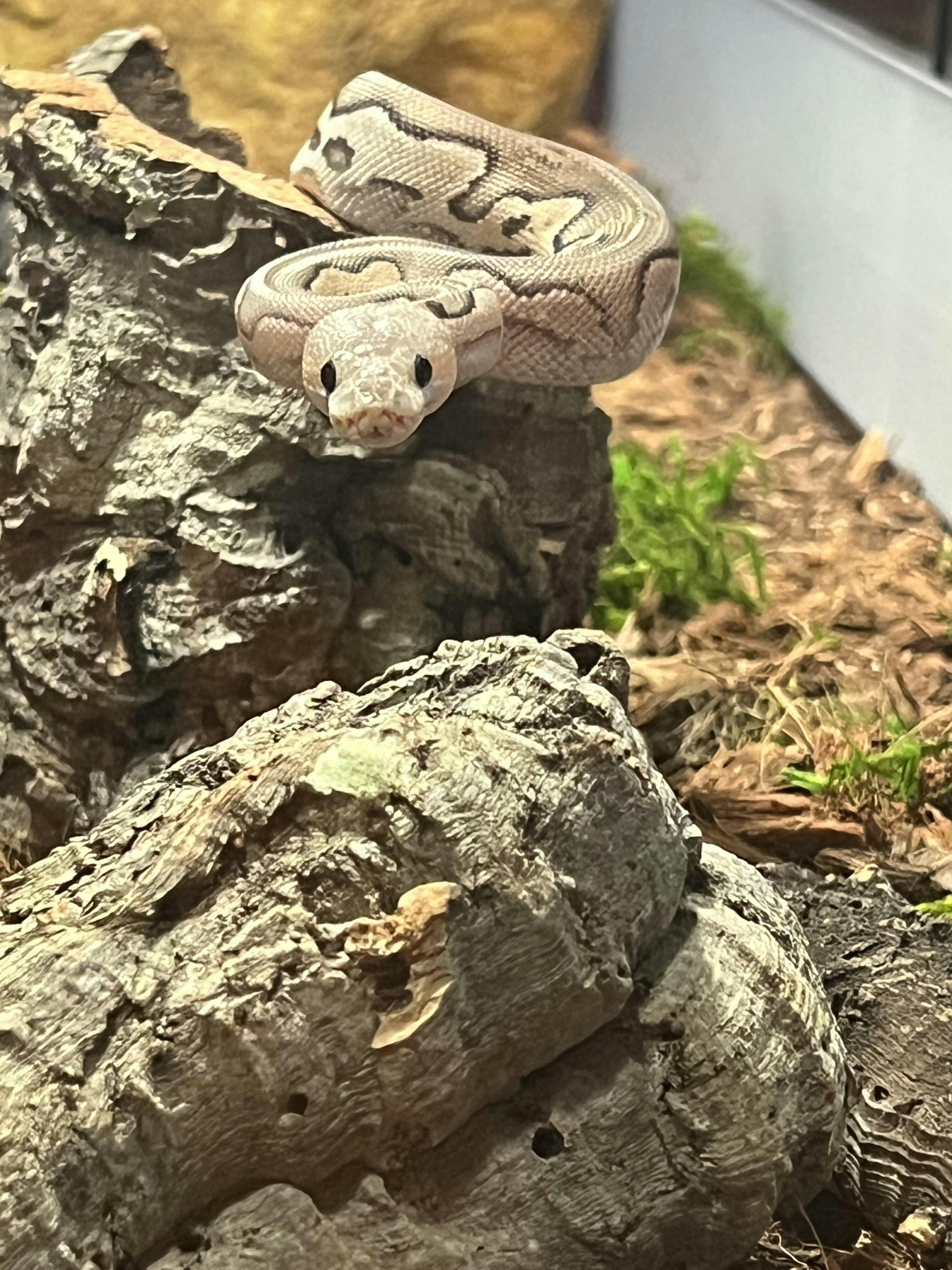
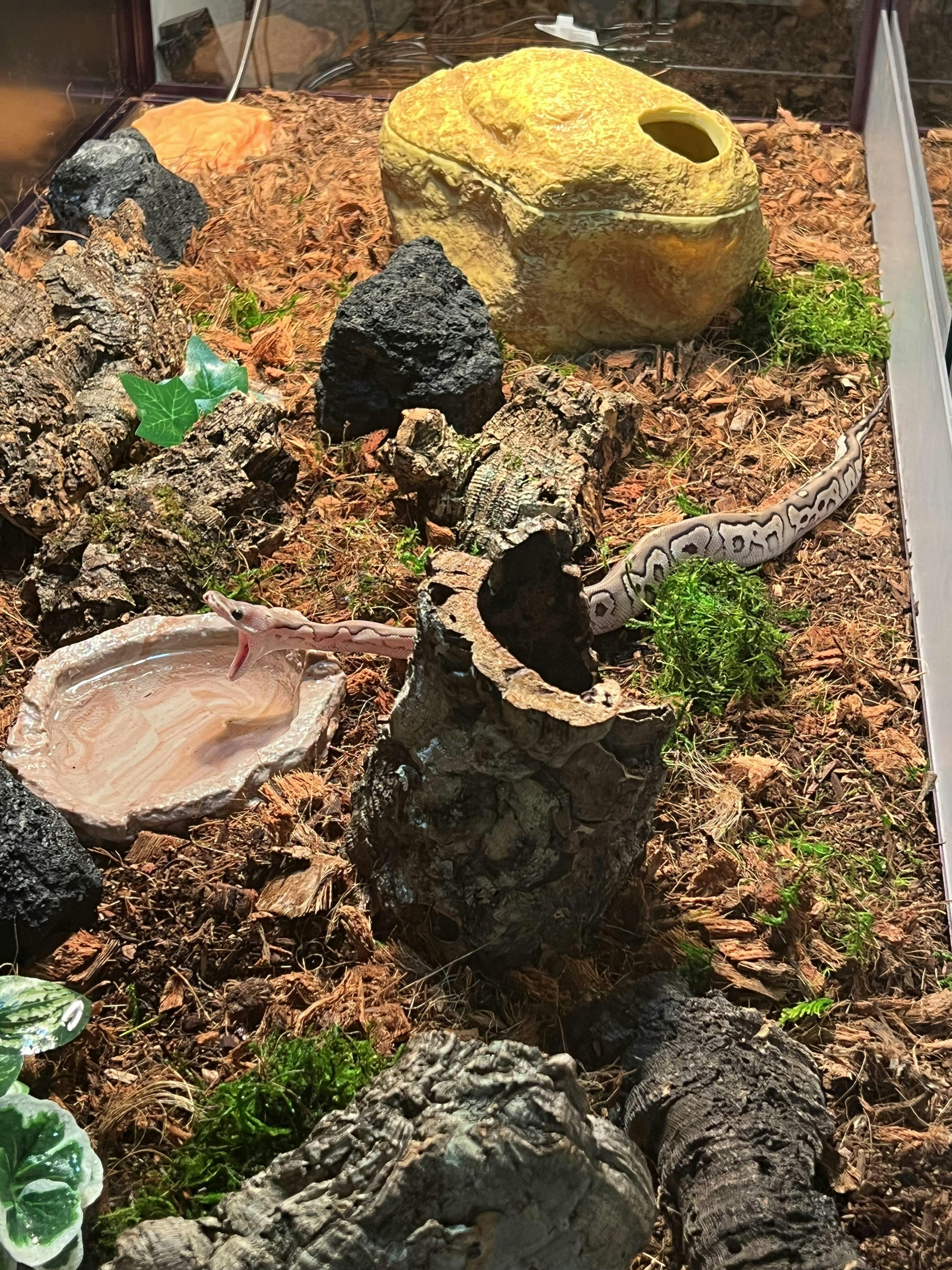
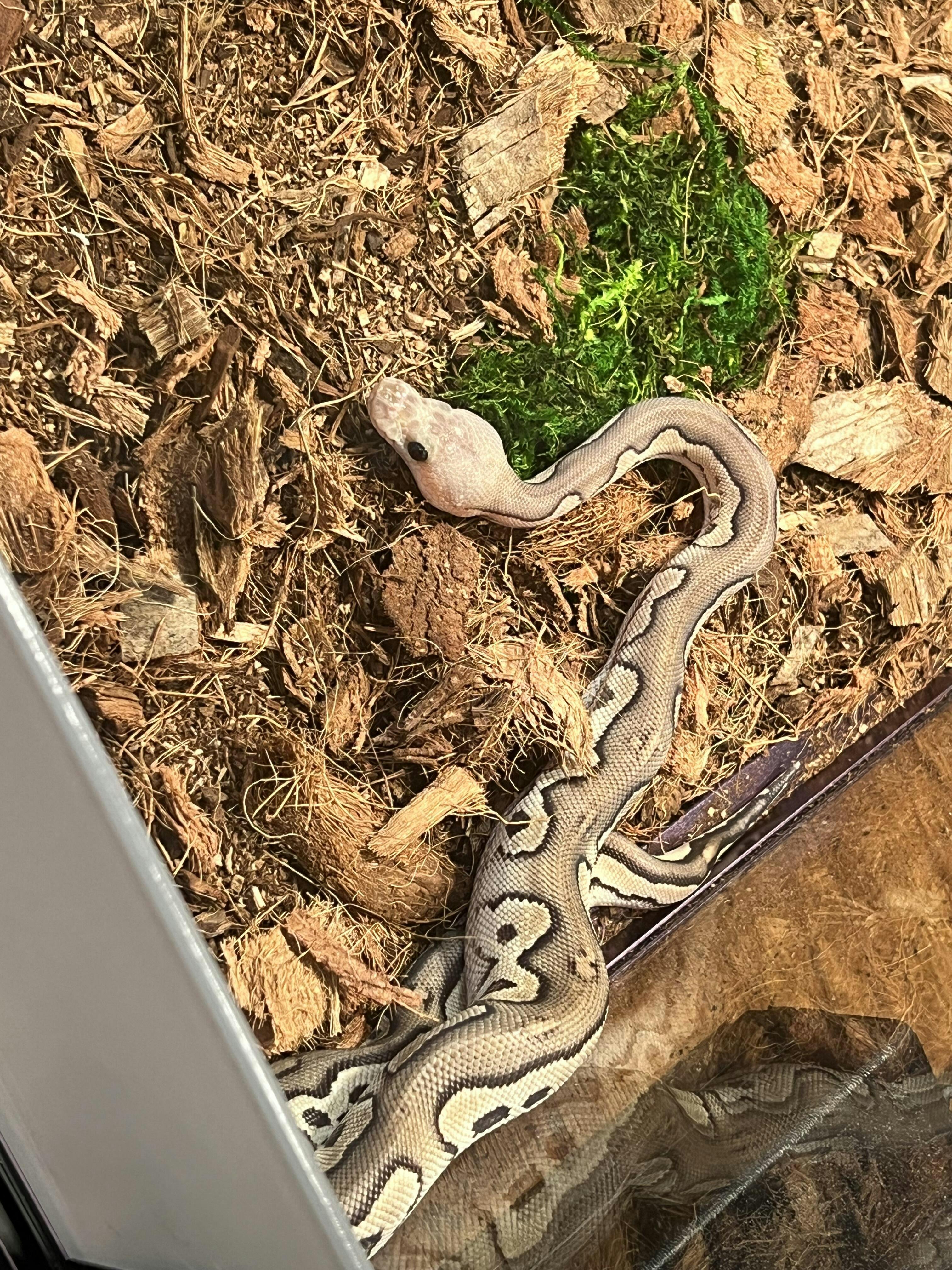
Welcome to the ultimate guide on reptile heat and UVB lighting! As the proud owner of Talis Us, a shop dedicated to providing top-quality pet supplies, I'm thrilled to share my expertise on keeping your scaled companions happy and healthy.
Whether you're a seasoned reptile enthusiast or just starting your journey into the fascinating world of lizards, snakes, and turtles, this comprehensive guide will equip you with the knowledge to create the perfect habitat for your pets. From understanding the science behind their thermal and lighting needs to practical tips on setting up the ideal environment, we've got you covered.
The Importance of Proper Heat and UVB for Reptiles
Reptiles are ectothermic, meaning they rely on external sources of heat to regulate their body temperature. In the wild, they bask in the sun, find warm rocks, or seek out other heat sources to maintain their optimal temperature range. In captivity, it's our responsibility as pet owners to replicate these natural conditions to ensure our scaly friends can thrive.
Proper heat and UVB (ultraviolet B) lighting are essential for a reptile's overall health and well-being. Here's why:
Thermoregulation and Metabolism
Reptiles need a specific range of temperatures to function properly. If they're too cold, their metabolism slows down, leading to a host of issues like reduced appetite, lethargy, and weakened immune systems. Conversely, if they're too hot, they can become stressed and dehydrated. By providing the right heat gradient, you allow your reptile to thermoregulate and maintain optimal bodily functions.
Calcium Metabolism and Bone Health
UVB light is crucial for a reptile's ability to synthesize vitamin D3, which is essential for calcium absorption and bone development. Without adequate UVB exposure, reptiles can develop metabolic bone disease, a debilitating condition that can lead to deformities, fractures, and even death.
Immune System and Overall Health
When reptiles are kept in the right thermal and lighting conditions, their immune systems are better equipped to fight off infections and diseases. Proper heat and UVB also support their natural behaviors, such as basking and foraging, which contribute to their overall well-being.
Understanding Your Reptile's Heating and Lighting Needs
Every reptile species has unique requirements when it comes to heat and UVB, so it's essential to research the specific needs of your pet. Here are some general guidelines to get you started:
Basking Spot Temperature
Reptiles need a temperature gradient in their enclosure, with a warm basking area and a cooler retreat zone. The basking spot temperature should be within the recommended range for your species, typically between 85°F and 95°F (29°C and 35°C).
Ambient Temperature
The overall ambient temperature in the enclosure should be slightly cooler than the basking spot, usually between 75°F and 85°F (24°C and 29°C).
UVB Lighting
UVB light is essential for reptiles to synthesize vitamin D3 and maintain proper calcium metabolism. The UVB bulb should be placed within the recommended distance from the basking area, typically 6 to 12 inches (15 to 30 cm) for most species. The UVB index should match the needs of your reptile, with higher UVB requirements for species that bask more frequently.
Photoperiod
Reptiles require a specific day-night cycle to maintain their natural circadian rhythms. Provide 12 to 14 hours of light during the day and 10 to 12 hours of darkness at night, depending on the species and their natural habitat.
Setting Up the Perfect Reptile Habitat
Now that you understand the importance of heat and UVB for your reptile's health, let's dive into the practical steps of creating the ideal habitat:
Enclosure Size and Design
Choose an enclosure that allows your reptile to thermoregulate and move around comfortably. The size should be appropriate for the adult size of your species, with enough space for a temperature gradient and proper enrichment.
Heating Equipment
Depending on the size of your enclosure and the specific needs of your reptile, you may need a combination of heating devices, such as basking lamps, ceramic heaters, or under-tank heaters. Carefully research the appropriate wattage and placement to achieve the desired temperature range.
UVB Lighting
Select a high-quality UVB bulb that emits the appropriate UVB index for your reptile's species. Position the bulb correctly within the enclosure to ensure adequate exposure for your pet.
Thermostats and Hygrometers
Use digital thermostats and hygrometers to monitor and regulate the temperature and humidity levels in the enclosure. This will help you maintain the optimal conditions for your reptile's health.
Substrate and Hides
Provide a suitable substrate that retains heat and allows for burrowing or hiding, such as cypress mulch, coconut fiber, or reptile carpet. Offer multiple hiding spots throughout the enclosure to give your reptile a sense of security and control over its environment.
Monitoring and Adjustments
Regularly check the temperature and humidity levels in your reptile's enclosure, and make adjustments as needed to ensure your pet is thriving. Be prepared to troubleshoot and fine-tune the setup to meet your reptile's specific requirements.
Conclusion
Providing the right heat and UVB lighting is crucial for the health and well-being of your reptile companions. By understanding their unique needs and creating the perfect habitat, you'll be able to watch your scaly friends thrive and enjoy all the joys of reptile ownership.
Remember, if you ever have any questions or need further assistance, the team at Talis Us is always here to help. We're passionate about helping pet owners like you create the best possible environments for their reptiles. So, don't hesitate to reach out – we're just a click away!
Happy herping!