


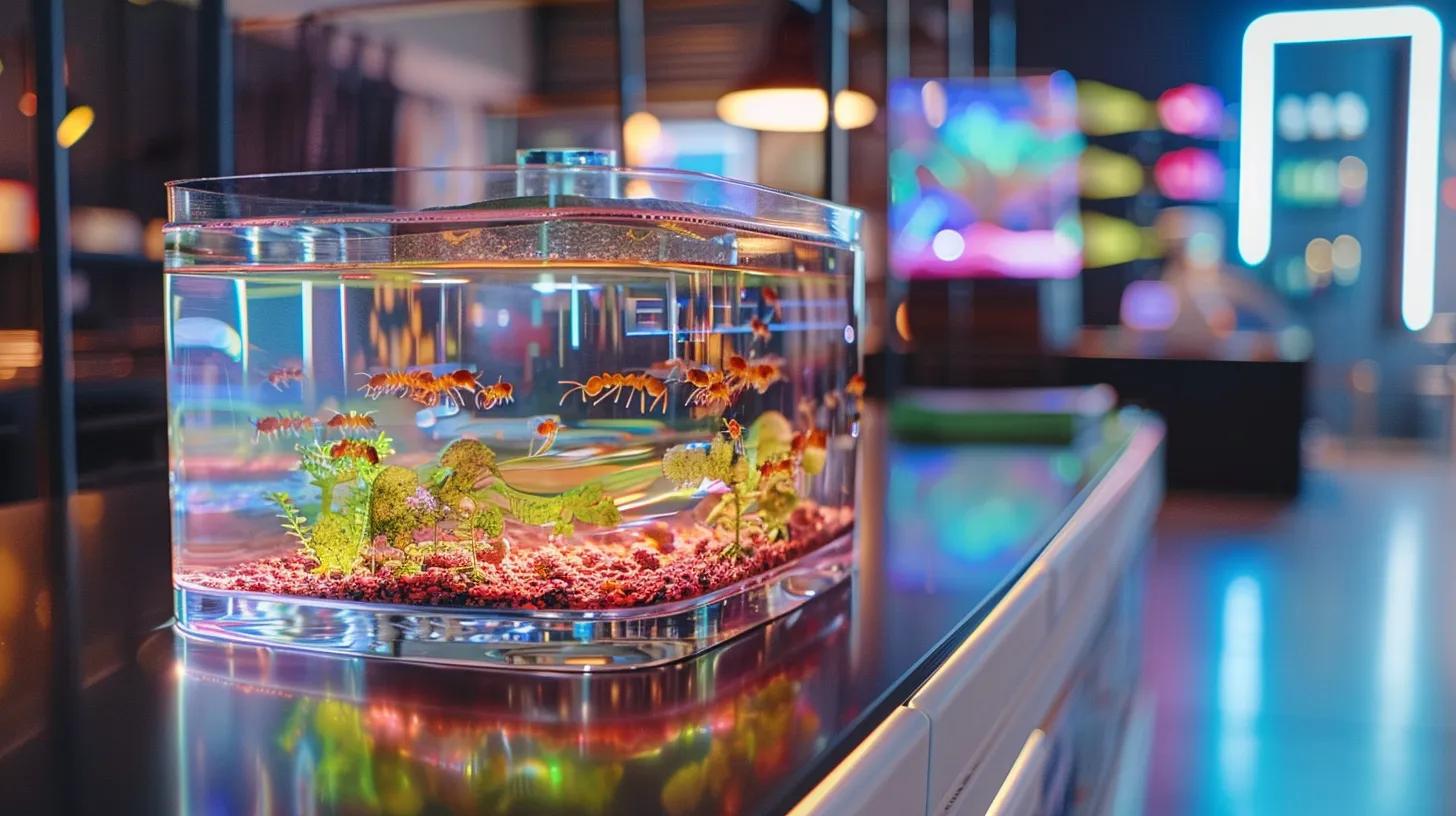
Successful Ant Cube Care: Maintaining Your Ant Farm Kit for a Healthy Colony
In today’s world of educational pet care and natural insect observation, ant farm kits have become a fascinating window into ant colonies. Whether used in classrooms, for scientific observation, or as a relaxing hobby, an ant farm kit offers a unique opportunity to witness communal behaviors and colony dynamics. However, ensuring a colony’s long-term success requires conscientious maintenance, environmental control, and proper nutrition. Many enthusiasts face challenges—from improper habitat setup to irregular feeding routines—that can compromise colony health. This article provides step-by-step guidance on maintaining an ideal ant cube habitat that supports robust colony growth, from selecting the ideal ant cube to troubleshooting common issues.
Throughout this guide, topics such as structural requirements, substrate selection, environmental monitoring, and regular cleaning practices are discussed. Readers will discover recommendations on creating a dependable living environment, learn to identify signs of a thriving colony versus one in distress, and gain insights into the interplay between nutrition, hydration, and ant behavior. Whether you invest in an ant farm kit with a queen, a starter kit, or a fully assembled colony kit, the advice provided is foundational. By integrating these practices, ant enthusiasts can turn their kits into a miniature ecosystem that mirrors nature’s balance.
Transitioning from the challenges of ant care, the following section highlights the most critical takeaways for successful colony management.
Key Takeaways
- A successful ant farm kit requires attention to structural design, proper substrate selection, and consistent environmental control.
- A balanced nutrition and hydration schedule is key to fostering colony growth and preventing health issues.
- Regular cleaning, waste removal, and vigilant health monitoring are essential practices for long-term success.
- Advanced techniques, including bioactive elements and custom tunnel systems, further enhance colony vitality.
- Troubleshooting issues such as mold and overcrowding is vital to colony stability.
Selecting the Ideal Ant Cube Habitat for Your Colony
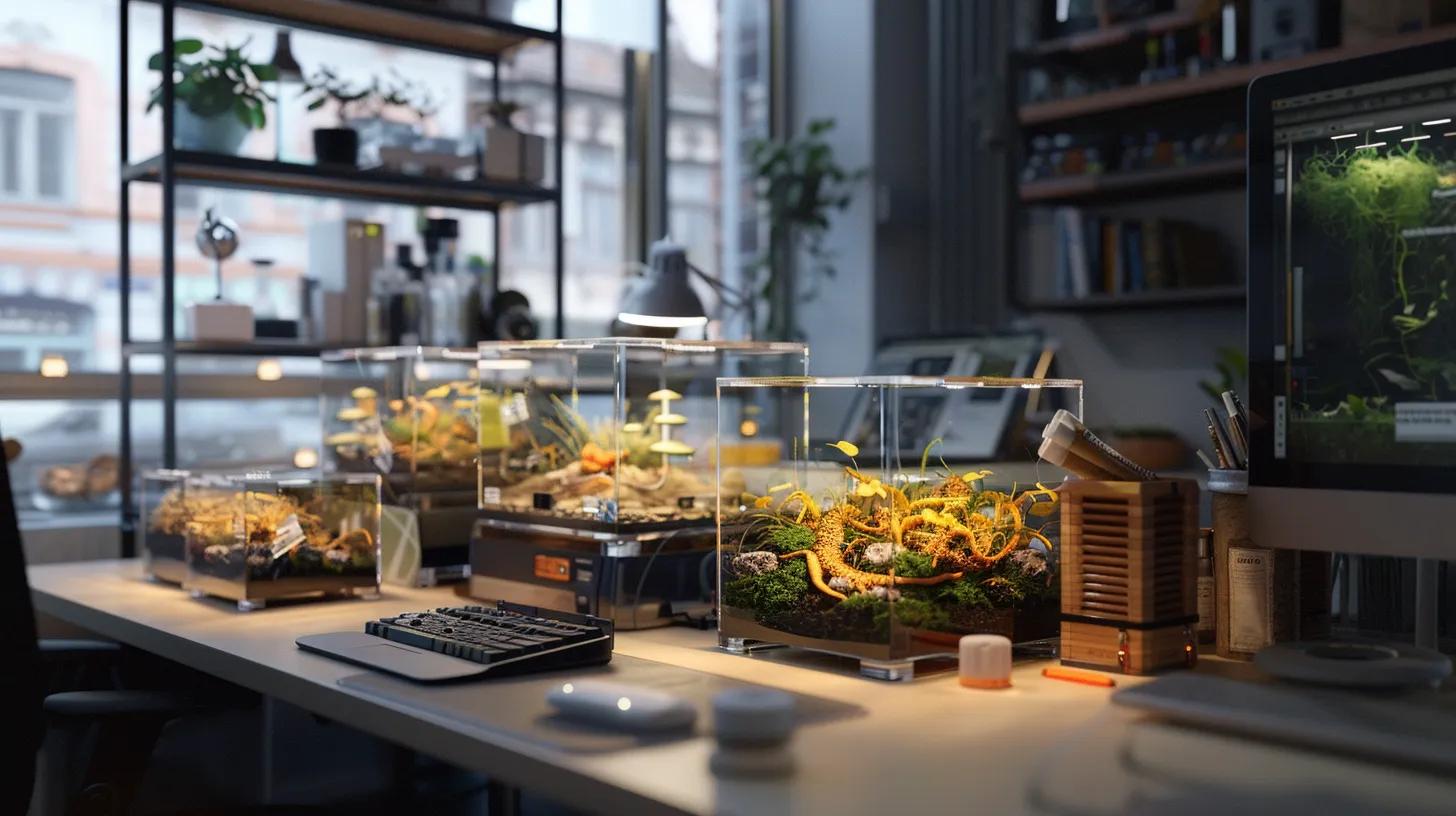
Determining the ideal ant cube habitat begins with considering factors critical to ant survival and colony development. The first step is selecting an ant cube that fits the initial colony size and anticipated expansion. An adequately sized cube provides space for natural activities, nest expansion, and tunnel development. Overcrowding can lead to stress and colony collapse, so choosing the correct dimensions is essential for mimicking natural nesting conditions.
Determining Appropriate Ant Cube Size and Type
Selecting the right cube size is fundamental. Research shows that minimal space restrictions support higher activity levels and lower aggression, improving colony stability. Ant cube kits are available in various sizes and configurations—from basic plastic enclosures to sophisticated, multi-chambered models. Many ant farm kits for sale offer guidance on optimal dimensions for different ant species. Even when starting with a small colony, extra capacity is recommended to support natural growth and behavior. Additionally, the housing material (glass, plastic, or bio-based polymers) should be considered, as some materials may cause condensation or restrict light.
Understanding Essential Structural Components of Your Ant Cube Farm
A robust ant cube should include a secure lid, drainage systems, and transparent walls for observation without disturbance. Its walls aid in light diffusion and heat balance, ensuring even temperature distribution and reducing sudden temperature fluctuations. Multiple compartments support natural behaviors by providing distinct areas for foraging, nesting, and waste disposal.
Choosing the Right Substrate for Optimal Nesting Conditions
Substrate selection is pivotal for colony management. Natural substrates such as sand, soil, or formulated mixtures not only provide physical support but also chemical cues that foster brood development and nest establishment. Although many kits come with pre-mixed substrates, supplementing with botanical extracts or enzymes can sustain beneficial bacteria. The substrate should be deep enough for tunneling without restricting ventilation; finer substrates have been associated with higher colony survival rates.
Evaluating Ventilation Requirements for Your Ant Farm Kit
Proper ventilation ensures that the colony receives adequate oxygen while releasing excess moisture and metabolic gases. The ant cube should incorporate several small or adjustable vents to allow consistent air exchange. Inadequate ventilation can lead to carbon dioxide buildup and increased humidity, potentially promoting fungal growth and stress. A well-ventilated nest mimics natural conditions, ensuring clear airflow without disturbing the colony.
Setting Up Your New Ant Farm Kit Correctly
The proper setup of an ant farm kit is crucial for helping ants acclimate to their new habitat. A careful assembly process minimizes stress and reinforces the nest’s structural integrity. Each component should be assembled following the manufacturer’s instructions along with best practices based on natural ant behaviors.
Step by Step Ant Cube Living Quarters Construction
Begin by checking all materials included in the kit. Position the structural framework in a well-lit, undisturbed area, then prepare an even substrate layer across the floor, acting as the base for tunnel construction. Add any pre-mixed supplements to bolster nutritional value and securely attach the observation panel. Following a sequential assembly—starting with the bottom components, then internal divisions, and finishing with the lid—ensures precision and minimizes risks such as substrate collapse.
Introducing Your Ants to Their New Habitat Safely
Introducing ants to their new habitat is delicate. Allow the constructed cube to settle for a few hours so the substrate adjusts to ambient temperature and humidity. Then, gently release the ants using a soft brush or by tipping the container slowly. A calm initial phase is critical for reducing mortality and ensuring smooth colony integration.
Creating an Ideal Microclimate Within Your Ant Cube
Once the ants are introduced, managing the microclimate becomes essential. Monitor and regulate temperature and humidity using precision thermometers and hygrometers. The microclimate should mimic the ant species’ natural underground habitat, typically 22°C to 28°C (72°F to 82°F) with 50% to 70% moderate humidity. Some advanced kits include integrated sensors to help regulate fans, heaters, or humidifiers, ensuring conditions remain optimal and preventing stress or infection.
Assembling Your Ant Farm Kit Components
The final assembly includes adding components such as feeding tubes, water sources, and waste collection modules. For example, water dispensers should be placed where ants can easily access them without causing excess humidity, and feeding tubes must be cleaned and sterilized beforehand. After assembly, recheck for issues like uneven substrate distribution or tunnel obstructions to ensure the colony thrives.
Implementing Best Practices for Ant Colony Nutrition and Hydration
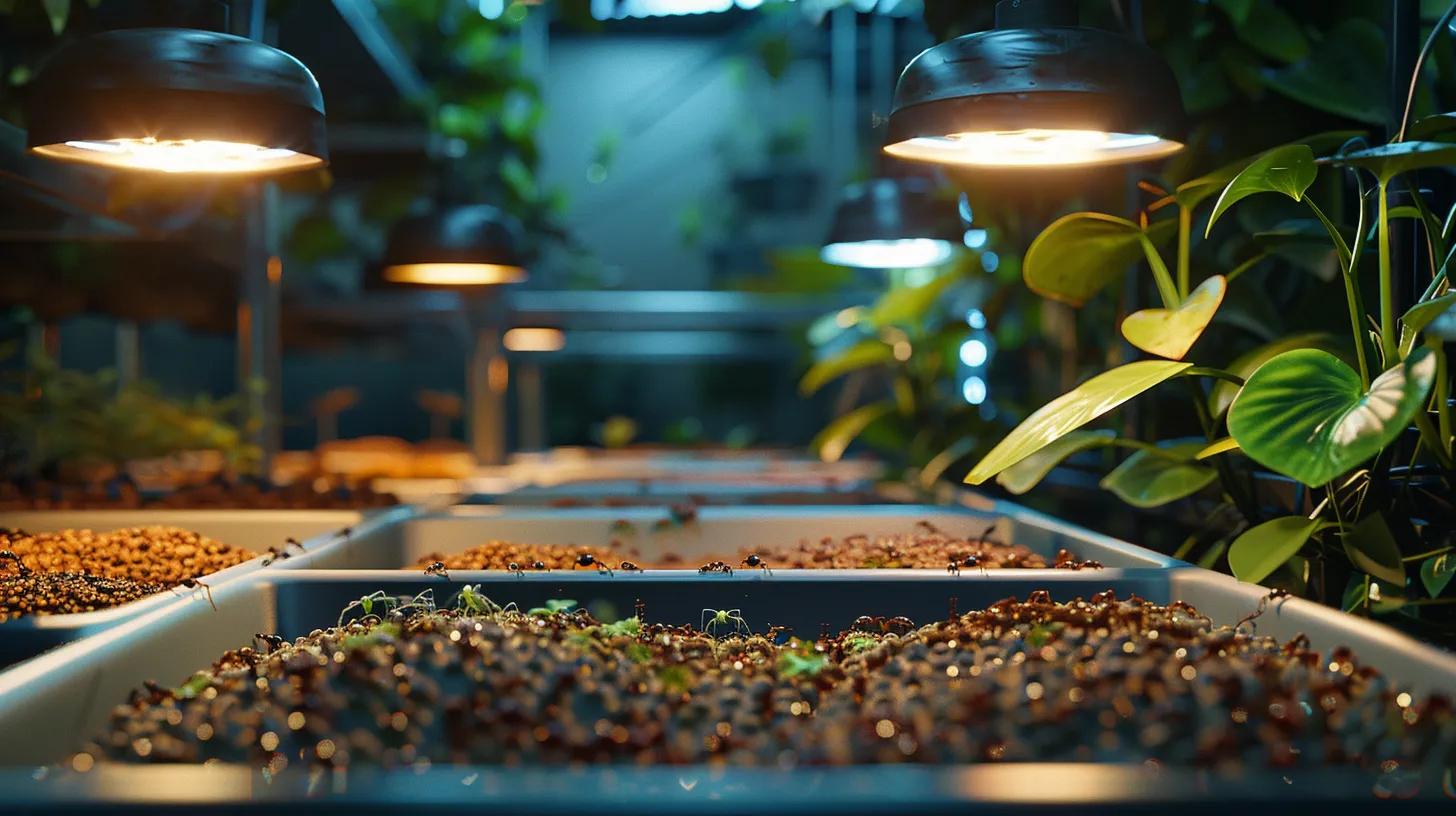
Providing a balanced diet and proper hydration is key to ant farm management. Ants require a nutrient-dense diet for energy, brood development, and overall growth. While many kits come with feeding guidelines, it is important to supplement these with further nutritional research and periodic adjustments.
Supplying a Balanced Diet for Your Ants
A balanced diet should include proteins, fats, carbohydrates, vitamins, and trace minerals. In practice, this may involve a combination of freeze dried dog treats, freeze dried chicken dog treats, freeze dried liver dog treats, pieces of lean meat, small bits of fruit, and commercially available ant food. Some species benefit from sugar water solutions that mimic nectar. A varied diet has been shown to improve colony growth compared to a monotonous diet. Establish a regular feeding schedule based on observed foraging patterns, avoiding overfeeding to prevent fungal growth or nutritional imbalances.
Establishing a Consistent and Clean Water Source
Hydration is as important as nutrition. Many ant farm kits include a water reservoir or capillary system, but caregivers should regularly check that the water remains uncontaminated and is available in small, consistent quantities. An optimal system might include shallow water dishes or a sponge setup that minimizes the risk of drowning. Replace stagnant water daily and clean the system weekly to prevent bacterial or mold buildup.
Understanding Species Specific Dietary Needs
It is critical to research the dietary needs of the ant species in your colony before introducing new food sources. Different species have unique preferences; for example, some thrive on protein-rich diets while others prefer carbohydrates and sugars. A well-informed caretaker will tailor a feeding regimen to maximize colony vigor and adjust based on observed changes in behavior or brood development.
Avoiding Foods Harmful to Your Ant Colony
Not all foods that are nutritious for larger animals are safe for ants. Some foods may contain preservatives or chemicals toxic to ants in high concentrations. For instance, freeze dried chicken dog treats should be rehydrated and provided in very small amounts to avoid disrupting the microecology. Rely on natural, whole-food options to provide energy while avoiding artificial additives that could harm the colony.
Maintaining Optimal Environmental Controls in Your Ant Farm Kit
Environmental control is pivotal, as even slight variations in temperature, humidity, or ventilation can lead to significant behavioral changes. Successful ant cube care requires replicating conditions found in a natural habitat, preventing pathogen growth and mold.
Achieving Correct Temperature Levels for Your Ant Species
Most ant species thrive between 22°C and 28°C (72°F to 82°F), a range that supports metabolic activity and brood development. Utilize a small adjustable heating pad or LED lighting to provide warmth in colder environments, while cooling pads or fans are essential in warmer conditions. Minimizing temperature fluctuations through automated controls can reduce stress.
Regulating Humidity to Mimic Natural Conditions
Humidity, ideally between 50% and 70%, is crucial for ant health. Too little humidity can cause desiccation, while excessive moisture can encourage mold and bacteria. Use hygrometers to monitor humidity continuously, and adjust with water trays or controllers as needed. Stable humidity helps maintain synchronized brood cycles and overall colony resilience.
Ensuring Adequate Ventilation for Colony Respiratory Health
Sufficient ventilation prevents the buildup of metabolic gases and excess moisture. The ant cube should feature adjustable vents that allow controlled air exchange without exposing the colony to drafts. Regular checks and adjustments to the ventilation system ensure the microclimate remains conducive to ant health.
Monitoring Environmental Conditions With Proper Tools
Digital tools such as thermometers, hygrometers, and data loggers help maintain precise control over environmental conditions. Regular monitoring and recording of these readings allow for timely adjustments, ensuring conditions consistently match the ants’ natural habitat.
Performing Regular Cleaning and Waste Removal for Your Ant Cube
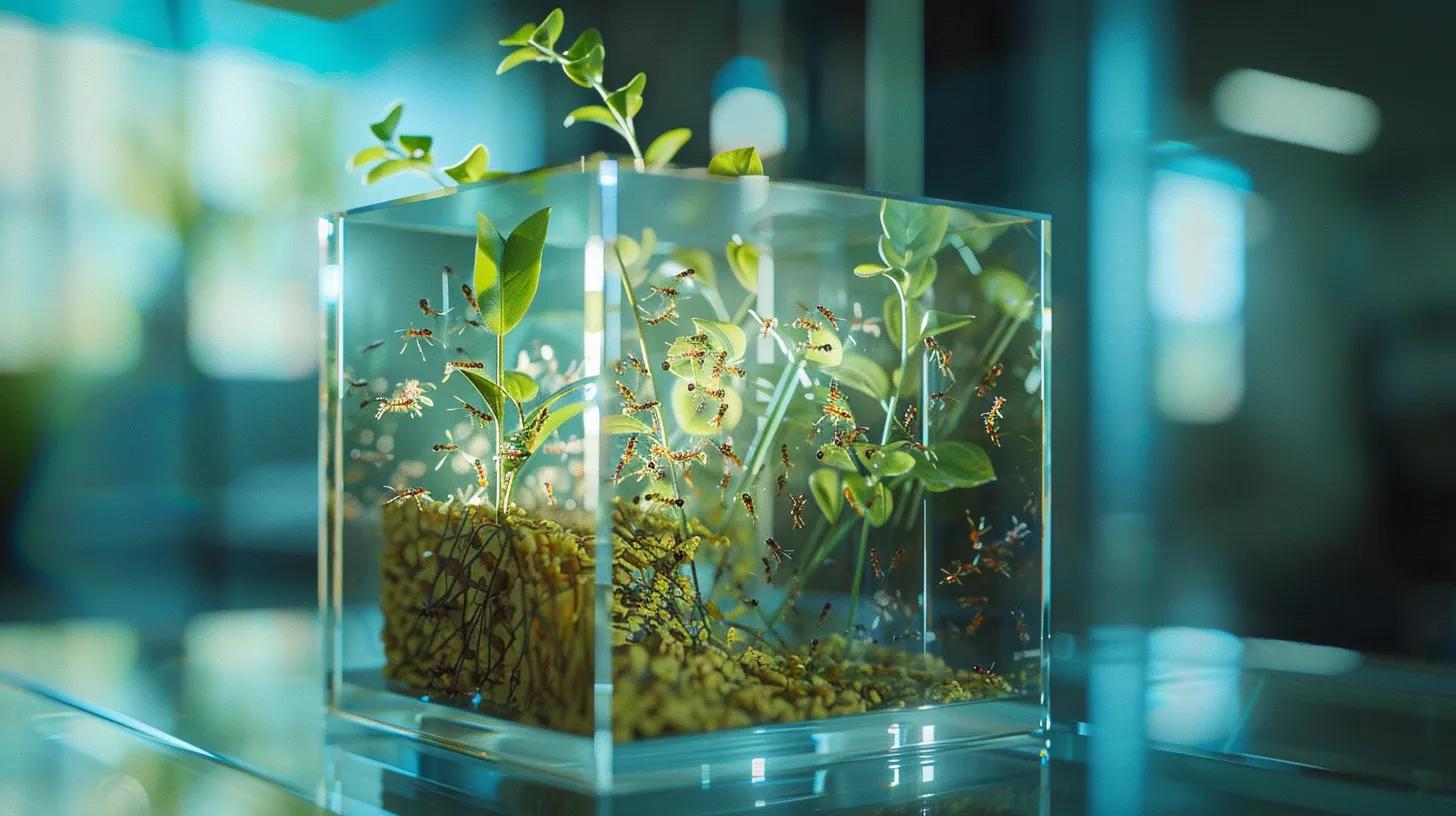
Maintaining a clean environment is crucial to colony health. Regular cleaning reduces the risk of waste buildup, mold, and other contaminants while mimicking natural ant behaviors.
Establishing Weekly Cleaning Routines
A weekly routine should involve carefully removing debris, partially replacing or aerating the substrate, and wiping internal surfaces with a gentle, non-toxic solution. Regularly scheduled cleaning can boost colony productivity and reduce potential pathogen spread. Carry out these routines during periods of low activity to minimize disruption.
Safely Removing Deceased Ants and Food Debris
Identify and gently remove deceased ants and leftover food using a small brush or tweezers. Over time, waste accumulation can support harmful bacteria and mold, so it is important to remove waste carefully to avoid disturbing live ants or damaging the nest structure.
Preventing Mold and Bacterial Growth in the Habitat
Regular cleaning coupled with proper ventilation and humidity control acts as a preventative measure against mold and bacteria. Occasionally removing a portion of the substrate for sterilization and replacement can help renew its nutritional composition, supporting healthier brood and colony growth.
Maintaining Substrate Cleanliness Without Disturbing the Colony
Design a cleaning routine that targets visible waste without extensively disturbing the nest areas. Using fine brushes or low-powered vacuums and rotating small areas of substrate periodically can help remove mold or debris while maintaining overall structure and minimizing stress.
Conducting Regular Health Assessments of Your Ant Colony
Periodic health assessments are essential to monitor colony growth and detect early signs of issues. Regular observations of behavior, brood development, and overall activity provide insights into the colony’s state.
Identifying Signs of a Thriving Ant Colony
A healthy colony exhibits consistent foraging, high worker activity, and regularly growing brood populations. Routine maintenance, cooperative food gathering, and organized nest construction are indicators of colony health. Photographic documentation and behavioral logs can help track these positive trends.
Recognizing Symptoms of a Struggling Ant Colony
Symptoms of a struggling colony include lethargy, reduced foraging, unusual aggression, and signs of overcrowding. A drop in new brood cells or worker numbers may indicate nutritional deficiencies or environmental imbalances. Early detection allows caretakers to intervene before conditions worsen.
Observing Ant Behavior for Stress Indicators
Stress can manifest as erratic movement, unusual clustering, excessive grooming, or refusal of new food. Detailed behavioral observations help distinguish normal variability from distress, allowing for timely adjustments in conditions or routines.
Checking Brood Development for Colony Viability
Regularly check for the presence and balanced distribution of eggs, larvae, and pupae within the nest. Consistent brood production is closely linked to a stable queen and favorable conditions, and monitoring this development helps predict future colony trends.
Managing Common Ant Farm Kit Issues and Troubleshooting
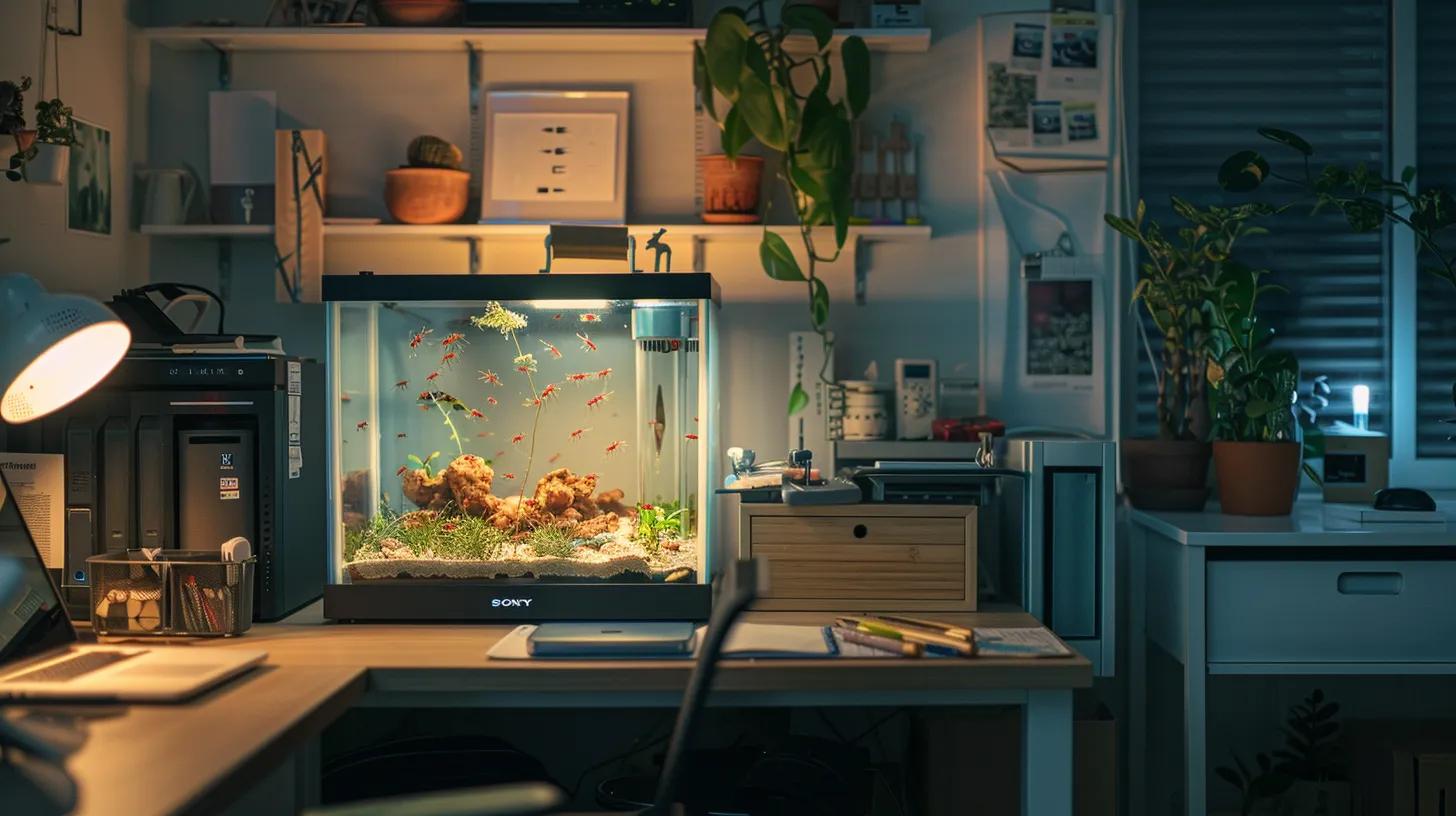
Even with best practices, issues such as mold outbreaks, pest infestations, substrate collapse, and overcrowding may arise. Being prepared with pre-planned strategies ensures quick resolution and minimal disruption.
Addressing Mold Outbreaks Effectively
Mold outbreaks are common when humidity is too high or cleaning is inadequate. Immediate measures include reducing humidity and cleaning the substrate with a mild, non-toxic antifungal solution. Isolating and replacing a portion of the substrate can help restore colony health.
Dealing With Pest Infestations Like Mites
Mites can compete for resources and spread pathogens. Regular inspections using a magnifying glass help detect early infestations. Natural remedies such as diatomaceous earth or insecticidal dust, applied sparingly, can prevent mite outbreaks when combined with improved ventilation and reduced moisture.
Resolving Substrate Collapse Problems
Substrate collapse may occur if it becomes overly compacted or too moist. Gently aerating the substrate and partially replacing it can restore structure without disturbing the entire colony. Preventive measures include avoiding over-saturation and ensuring the cube design provides proper support.
Managing Overcrowding in a Growing Colony
Overcrowding can lead to competition for resources and increased aggression. Effective management may involve upgrading to a larger kit, partitioning the current habitat, or transferring part of the colony to a secondary nest kit. Regular interventions to manage overcrowding have been shown to improve long-term colony sustainability.
Ensuring Long Term Success With Your Ant Farm Kit
Long-term success depends on strategic planning for colony expansion, regular maintenance, and proactive adjustments based on the colony’s lifecycle. Detailed planning for seasonal transitions and periodic assessments are vital for sustaining a thriving ecosystem.
Planning for Colony Expansion and Upgrades
As the colony grows, its space requirements change. Upgrade to larger kits or connect multiple ant farm kits to provide continuous space and proper nutrient delivery. Detailed logs of colony growth can help predict when an upgrade is needed.
Understanding the Lifespan of Your Ant Colony
Ant colony lifespans vary by species and care conditions. A healthy colony can thrive for several years with optimal care, making it important for caretakers to adjust maintenance routines as the colony matures. Understanding the expected lifecycle supports better long-term planning.
Implementing Seasonal Care Adjustments
Seasonal changes affect the microclimate within an ant cube. In warmer months, additional water, cooling pads, and increased ventilation may be necessary; in cooler periods, supplementary heating and moisture adjustments prevent desiccation. Use local climate data and periodic internal measurements to fine-tune a seasonal care schedule.
Keeping a Record of Colony Progress and Maintenance
Document all aspects of care, including feeding, cleaning, and environmental adjustments. Detailed logs help identify trends, anticipate issues, and improve maintenance strategies over time, ensuring the colony remains healthy and productive.
Exploring Advanced Ant Cube Maintenance Techniques
For enthusiasts looking to further enhance colony vitality, advanced techniques can enrich the ant farm experience. These include integrating bioactive elements, constructing complex tunnel systems, experimenting with varied food sources, and connecting multiple kits.
Integrating Bioactive Elements Into Your Ant Farm Kit
Introducing beneficial bacteria, enzymes, or natural fungal spores into the substrate can create a mini ecosystem that mimics natural soil conditions. These bioactive elements stimulate nutrient cycling, enhance moisture retention, and deter pathogens, leading to a healthier colony.
Creating Complex Tunnel Systems for Ant Enrichment
Natural ant colonies feature intricate tunnel networks. Constructing additional tunnel pathways or rearranging substrate layers can stimulate natural foraging and nest-building behaviors, reduce stress, and improve food distribution and brood development.
Experimenting With Different Food Sources Safely
While a basic diet may sustain a colony temporarily, safe experimentation with varied food sources can address specific nutritional needs. Introducing new items gradually and monitoring the colony’s response helps optimize the feeding routine while preventing dietary imbalances.
Connecting Multiple Ant Farm Kits for Larger Colonies
For large or rapidly growing colonies, connecting several ant farm kits via tunnels can provide additional space without disturbing the established structure. Proper alignment of entrances and synchronized care routines across units help maintain a continuous and stable habitat.
Understanding Ant Behavior for Better Ant Cube Management
A deeper understanding of ant behavior is essential for effective management. Observing ant activity can reveal insights into colony health, stress levels, and social dynamics, enabling proactive adjustments.
Observing Foraging Patterns and Preferences
Ants exhibit instinctual foraging behaviors critical to colony survival. Observing which food sources are preferred and how nutrients are distributed within the nest helps inform more effective feeding strategies while identifying signs of environmental stress.
Recognizing Nest Building and Organization
Ant colonies naturally build organized nests with tunnels and designated areas for waste. Regular observation of nest construction and maintenance can indicate whether the system is functioning well or if modifications are needed to strengthen the structure.
Understanding Communication Methods Within the Colony
Ants rely on pheromones for communication regarding foraging, nest maintenance, and social interactions. Recognizing changes in these chemical signals—such as unexpected clustering or dispersal—helps identify potential issues related to food sources or environmental stress.
Identifying Social Hierarchy and Task Distribution
A clear social hierarchy is fundamental to colony efficiency, with the queen and worker roles ensuring tasks are properly divided. Observing role distribution can provide early warning signs of overcrowding or environmental stress if there is a disruption in normal task allocation.
Frequently Asked Questions
Q: What are the essential factors to consider when selecting an ant cube habitat? A: Ensure the enclosure is appropriately sized, includes a well-designed substrate for tunneling, and offers proper ventilation to maintain a balanced microclimate. The material should allow easy observation and minimize condensation.
Q: How often should the ant farm kit be cleaned, and what should be done during cleaning? A: Clean the kit on a weekly basis by removing waste, deceased ants, and leftover food, while gently aerating the substrate. Use proper tools to minimize disturbance and maintain nest integrity.
Q: What are the best practices for feeding ants in an ant farm kit? A: Provide a balanced diet that includes proteins, sugars, and natural supplements while avoiding processed foods. Ensure a consistent and clean water supply, and adjust feeding routines based on foraging behavior.
Q: How can one prevent mold and other contaminants in the ant cube habitat? A: Prevent mold by maintaining optimal humidity through proper ventilation and regular cleaning. Use gentle, non-toxic antifungal treatments as needed and regularly monitor moisture levels with hygrometers.
Q: When is it time to upgrade or expand an ant farm kit? A: Upgrade or expand when signs of overcrowding appear, such as decreased activity or limited tunnel space. Consistent decreases in brood production or increased waste indicate the colony has outgrown its habitat.
Q: How important is it to monitor environmental conditions such as temperature and humidity? A: It is crucial, as even slight deviations can affect colony health. Maintaining a temperature between 22°C and 28°C and humidity between 50% and 70% supports optimal metabolic and behavioral functions.
Q: What advanced techniques can enhance long-term ant colony health? A: Techniques include integrating bioactive elements into the substrate, constructing complex tunnel systems, safely experimenting with varied food sources, and connecting multiple kits for colony expansion. These strategies create richer environments and support robust colony development.
Final Thoughts
The successful care of an ant farm kit relies on comprehensive habitat selection, precise environmental controls, consistent nutrition, and proactive maintenance routines. By following the guidelines detailed in this article, caregivers can create an ant cube that closely mimics natural conditions and supports robust colony growth. Regular health assessments and advanced maintenance techniques empower caretakers to continually optimize the habitat, ensuring resilience and longevity. Embracing these practices will yield a thriving ant colony and deepen your understanding of ant behavior and micro-ecosystem intricacies.
| Component | Key Attribute | Benefit | Recommended Action |
|---|---|---|---|
| Ant Cube Size | Adequate space | Reduces overcrowding and stress | Choose larger than minimum |
| Substrate | Proper texture | Facilitates tunneling and brood | Use natural or pre-mixed |
| Ventilation | Strategic air vents | Maintains oxygen and reduces CO₂ | Ensure adjustable openings |
| Temperature Control | Consistent heat | Supports metabolic activity | Use digital thermometers |
| Humidity Regulation | Balanced moisture levels | Prevents mold and dehydration | Monitor with hygrometers |
| Feeding System | Balanced, varied diet | Enhances colony growth | Establish routine feeding |
| Waste Management | Regular cleaning | Reduces bacterial risks | Implement weekly cleaning |
Before concluding, remember that maintaining an ant farm kit is an ongoing process that requires observational skills and adaptability. Detailed record-keeping and proactive adjustments in response to pests or environmental imbalances are key to sustainable colony maintenance. With diligent care, even challenges such as mold or substrate collapse can be managed effectively, ensuring every ant thrives in an environment conducive to natural growth and exploration.


