


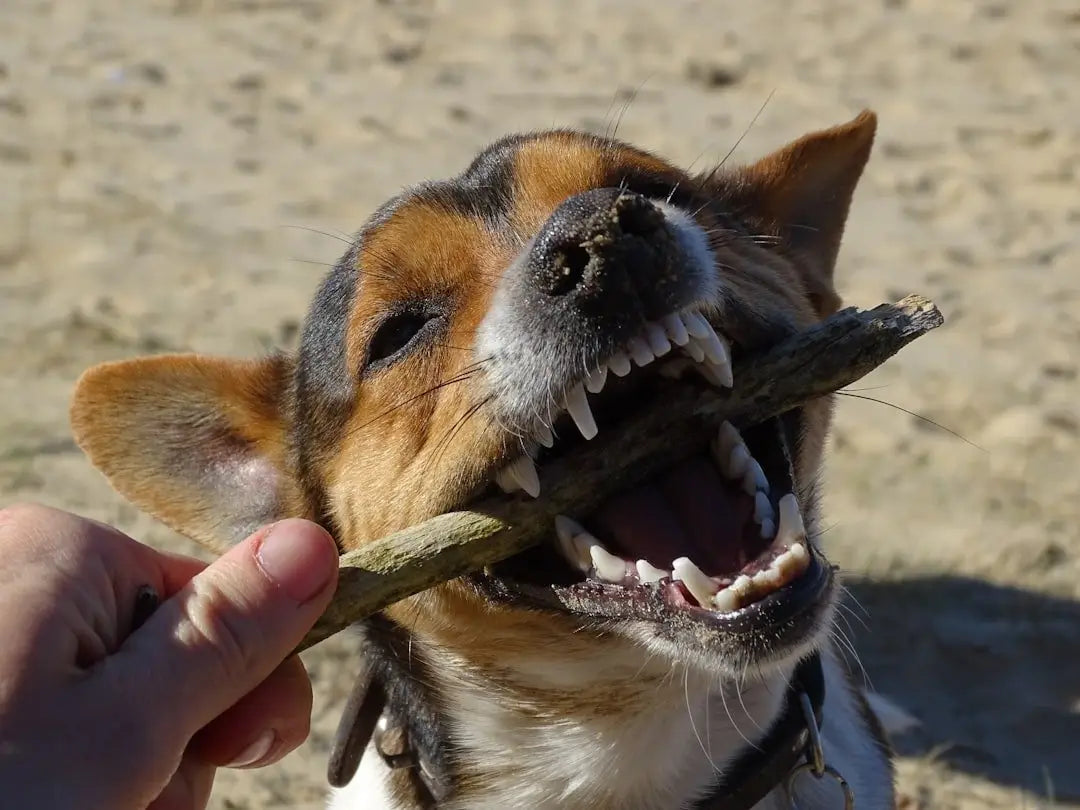
Dog Dental Health: Signs, Prevention & Best Dental Treats Reviewed
Key Takeaways:
- Introduction
- Understanding Dog Dental Health
- Signs of Dental Issues in Dogs
- Preventive Measures for Maintaining Dental Health
- Best Dental Treats for Dogs
- Homemade Dental Care Options
- Veterinary Dental Cleanings
- The Role of Diet in Dental Health
- Common Misconceptions About Dog Dentistry
An Overview of the Importance of Dental Health for Dogs
Understanding Common Dental Issues
Just like humans, dog dental health plays a pivotal role in ensuring your furry friend leads a happy, healthy life. Many dog owners may not realize that dental problems can cause serious health issues beyond bad breath and dull teeth. Some of the most common signs of dental problems in dogs include excessive drooling, difficulty eating, and red or swollen gums. These signs often indicate conditions such as gingivitis or periodontal disease, which can lead to pain and tooth loss if left untreated.
The Role of Preventative Care
Preventing dog dental disease should be a crucial part of your pet care regimen. Regular dental check-ups with the vet, accompanied by at-home care, can significantly reduce the risk of serious dental issues. Incorporating a routine of brushing your dog's teeth and providing best dental treats for dogs can keep their mouth healthy. These preventative measures help prevent dog tooth decay and maintain not just oral health, but overall well-being.
The Benefits of Good Dental Health
Maintaining good dental care for dogs not only helps avoid dental diseases but also enhances your pet's quality of life. Healthy teeth and gums can lead to better nutrition, as your dog will be able to eat comfortably. Moreover, strong dental hygiene is linked to lower risks of infections and systemic conditions, such as heart and kidney diseases. With proper care, you can prolong your dog's lifespan while ensuring they enjoy their meals and playtime without pain.
Choosing the Right Dental Treats
One of the most effective ways to assist in preventing dog dental disease is by providing them with dog dental treats specifically designed for oral health. It's essential to choose high-quality options that can effectively reduce plaque and tartar buildup. While there are numerous treats available, identifying the best dental chews for dogs involves looking for products that have veterinary approval and proven benefits for oral health. This way, you can support your dog's dental care while rewarding them with tasty treats.
Overall, prioritizing your dog's dental health is paramount. Awareness of the common dental issues, combined with a solid preventative care strategy, will empower you to make informed decisions to keep your canine companion's smile bright and healthy.
Understanding Dog Dental Health
Maintaining your dog's dental health is vital for their overall well-being. Understanding the basics of canine dental anatomy and common dental diseases can empower you to make informed decisions about their dental care.
Canine Dental Anatomy: A Closer Look
Dogs have a unique set of teeth that play various roles throughout their lives. Here's a breakdown of the different types of teeth and their functions:
- Incisors: These small teeth at the front are used for nibbling and grooming. They play a significant role in helping your dog grasp and hold food.
- Canines: Known for their pointy shape, canines are crucial for tearing food. They also play a key role in your dog's ability to defend itself.
- Premolars: Located behind the canines, these teeth assist in grinding and shredding food, essential for aiding digestion.
- Molars: These large, flat teeth are at the back of the mouth and are responsible for crushing and grinding food.
Common Dog Dental Diseases
Despite their importance, many dogs suffer from common dental diseases. Two of the most prevalent conditions are:
Periodontal Disease
This condition occurs when plaque builds up, leading to inflammation in the gums. If untreated, it can result in tooth loss and other serious health concerns. Early signs of dental problems in dogs include:
- Bad breath
- Red or swollen gums
- Difficulty chewing
- Loose teeth
Gingivitis
This early form of periodontal disease affects the gums, causing inflammation and redness. It can be reversed with proper dental care for dogs, such as regular teeth brushing and good nutrition. Watch for signs like:
- Swollen gums
- Foul odor
- Abscesses or pus around teeth
To prevent dog dental disease and prevent dog tooth decay, it is essential to introduce effective routines. Incorporating the best dental chews and treats can make dental hygiene a rewarding experience for your pet. Always consult your vet for tailored recommendations on dog dental treats that suit your dog's specific needs.
By understanding your dog's dental anatomy and the common diseases they face, you can take significant strides in ensuring their dog dental health is well-maintained.
Signs of Dental Issues in Dogs
When it comes to dog dental health, being aware of the warning signs of potential dental problems is crucial. Many pet owners might overlook subtle changes in their dog’s behavior or physical health, but recognizing these can help prevent more serious issues down the line. Here, we delve into some of the telltale signs that indicate your furry friend may be experiencing dental distress.
Bad Breath
One of the most common indicators of dental problems in dogs is bad breath, known scientifically as halitosis. While it is normal for dogs to have some odor, an overpowering smell can be a red flag. This unpleasant scent often signals the presence of tartar buildup or gum disease. If your dog’s breath smells particularly foul, it may be time for a dental checkup. As veterinarian Dr. Linda A. Cline notes,
“Persistent bad breath is often the first sign of dental disease in pets.”
Difficulty Eating
Another concerning sign to watch for is difficulty eating. If your dog seems hesitant to chew or shows signs of discomfort when biting into their food, it could indicate dental pain. Dogs that instinctively avoid hard kibble, prefer softer foods, or show signs of chewing on one side of their mouth might be suffering from toothaches or lingering dental disease. It’s important to monitor these changes, as timely action can help prevent further complications.
Gum Inflammation
Red and swollen gums are another critical warning sign that your dog may be experiencing dental issues. If you notice that your dog’s gums are inflamed or bleeding, it could be an indication of gingivitis or periodontal disease. Regular dental care for dogs, including professional cleanings and at-home maintenance, is essential to combat these issues. As part of preventive measures, incorporating the best dental treats for dogs can aid in keeping those gums healthy and inflammation-free.
Changes in Behavior
Finally, any noticeable changes in behavior can indicate discomfort or pain related to dental health. This might include increased irritability, decreased activity levels, or withdrawal from social interactions. If your normally playful pup suddenly becomes less engaging or seems more stressed, dental problems might be at play. It is crucial to pay attention to your dog’s behavioral cues and consult with a vet if you notice consistent changes.
Be proactive in preventing dog dental disease by recognizing these signs early. Regular veterinary check-ups, as well as using dog dental treats and effective dental chews can go a long way in maintaining your dog's dental health, preventing issues before they escalate.
Preventive Measures for Maintaining Dental Health
Establishing a Regular Brushing Routine
To achieve optimal dog dental health, a consistent brushing routine is vital. Aim to brush your dog's teeth at least two to three times a week, though ideally, daily brushing can substantially reduce plaque buildup and prevent dog tooth decay. When selecting a toothbrush, choose one specifically designed for dogs, as these will comfortably fit within their mouths. It’s equally essential to use toothpaste formulated for canines, as human toothpaste can be harmful to them. Begin by allowing your dog to taste the toothpaste, then gradually introduce the toothbrush. This approach helps your dog acclimate to the sensation, making the process much smoother.
Frequency of Dental Check-Ups
Routine veterinary dental check-ups are crucial for preventing advanced dog dental disease. It's recommended to schedule professional cleanings at least once a year, but for certain breeds prone to dental issues, more frequent visits might be necessary. During these check-ups, veterinarians can identify early signs of dental problems in dogs, allowing for timely intervention. Don't hesitate to discuss your dog's specific needs with your veterinarian to determine the best schedule tailored to your pet’s oral health.
Recognizing Signs of Dental Health Issues
Early detection plays a key role in maintaining your dog's dental health. Being proactive in observing your dog can allow you to catch signs of problems before they escalate. Look out for behaviors such as excessive chewing, difficulty eating, or bad breath, which can indicate developing issues. If you notice any of these signs of dental problems in dogs, it’s best to consult your veterinarian promptly to explore further diagnostics and treatments.
Incorporating Dental Chews into Their Routine
In addition to brushing, introducing the best dental chews and dog dental treats can significantly contribute to your pet's oral care. These treats help reduce plaque while also providing essential mental stimulation. Look for products specifically labeled for dental care, as they often contain ingredients that promote oral hygiene. Regularly offering these chews not only makes the act of dental care enjoyable for your dog but also plays a crucial role in preventing dog dental disease and maintaining overall dog dental health.
Creating a Positive Dental Experience
Making dental care a positive experience for your dog is essential for adherence to oral hygiene practices. Use praise and rewards after each brushing session, and consider using the best dental treats for dogs as a special reward. This encouragement helps create a routine that your dog will look forward to, rather than dread. Over time, these measures can transform dental care into a bonding opportunity between you and your furry friend.
Best Dental Treats for Dogs
As we delve deeper into the world of dog dental health, it's crucial to understand how the right treats can play a significant role in maintaining your canine companion’s oral hygiene. Not all treats are created equal when it comes to dental care for dogs. Here’s a comprehensive review of some of the top dental treats available on the market, their ingredients, effectiveness, and contribution to oral health.
1. Ingredients Matter
When selecting the best dental treats for dogs, examining the ingredients is paramount. Many treats contain natural elements like peppermint oil or baking soda, which can aid in freshening breath and promoting gum health. Be mindful of overly processed items, which may include artificial colors and flavors that do not contribute to preventing dog dental disease.
“Healthier ingredients lead to healthier dogs.” - Veterinary Nutritionist
2. Effectiveness of Dental Treats
Effectiveness varies among products. Many of the best dental chews are designed to mechanically clean teeth as your dog chews, scraping away plaque and tartar buildup. It’s essential to look for treats that have the Veterinary Oral Health Council (VOHC) seal of approval, as this indicates they've been proven to reduce plaque and tartar.
3. Popular Options Reviewed
Here are some noteworthy dental treats that stand out for their quality and efficacy:
- Greenies Dental Treats: These are among the most recognized dental chews, made with natural ingredients and designed to clean teeth while being palatable for dogs. Their unique texture contributes to prevent dog tooth decay.
- Virbac C.E.T. Enzymatic Toothpaste Chews: Combining the benefits of dental gel with a chewable treat, these aids in plaque reduction and elasticity, making them perfect for regular use.
- Bully Sticks: While not traditionally marketed as dental treats, their tough texture can help reduce plaque as your dog gnaws. However, moderation is key due to high calories.
4. Balanced Perspective: Considerations for Usage
While dog dental treats provide fantastic benefits, they should not replace traditional dental care methods like brushing or veterinary cleanings. Consider these treats as supplementary to a comprehensive oral hygiene routine.
“Treats can aid in dental health, but they should complement, not substitute, regular dental care.” - Pet Oral Health Advocate
Additionally, it's important to monitor your dog's chewing habits. Some dogs may try to swallow treats whole rather than chewing them properly, which can render them ineffective and pose a choking hazard.
5. Conclusion
In summary, when it comes to dog dental health, selecting the right dental treats can make a significant difference in your dog's oral care routine. By understanding the ingredients, effectiveness, and the necessity for balance in their usage, you can provide your beloved pet with the best care possible.
Have you tried any of these best dental chews? Share your experiences in the comments below!
Homemade Dental Care Options
Enhancing your dog's dental health doesn't have to rely solely on commercial products. There are numerous DIY dental care solutions that can effectively support your furry friend's oral hygiene. From homemade treats to natural remedies, these options can prevent dog dental disease and help you maintain a clean, healthy mouth for your pet. Here are some ideas that can easily fit into your dog's routine.
Homemade Dental Treats
Creating your own dog dental treats is a fun and rewarding way to contribute to your pup's dental hygiene. These treats not only help to clean your dog’s teeth, but they also delight their taste buds! Here are a couple of simple recipes:
- Pumpkin and Peanut Butter Treats: Mix 1 cup of pumpkin puree, 1/2 cup peanut butter, and 2 1/2 cups whole wheat flour. Roll the dough, cut into shapes, and bake until firm.
- Carrot and Apple Chews: Combine 1 cup finely grated carrots, 1/2 cup unsweetened applesauce, and 2 cups oat flour. Shape into sticks and dehydrate for a chewy, crunchy treat.
These homemade options are not only nutritious but can also assist in preventing dog tooth decay and freshening your pup's breath.
Natural Remedies for Dental Hygiene
In addition to treats, incorporating natural remedies can significantly boost your dog’s dental care. These remedies can help with plaque buildup and gum health, helping you take even more proactive steps in preventing dog dental disease.
- Coconut Oil: This natural antifungal can be applied to your dog's dental chew toys or directly to their gums with your finger. It’s beneficial in fighting bacteria and promoting healthy gums.
- Parsley: Adding a pinch of fresh parsley to your dog's food can act as a natural breath freshener and help reduce bacteria in the mouth.
- Bone Broth Rinse: Creating a rinse from homemade bone broth can help clean your dog’s mouth and promote overall dog dental health when used regularly.
Establishing a Dental Care Routine
Integrating these DIY options into your pet's routine can be straightforward and enjoyable. Try to aim for a daily or twice-a-week regime that includes:
- Offering homemade treats as rewards after walks or training sessions.
- Incorporating natural supplements into their meals to support overall dental health.
- Regularly checking your dog for signs of dental problems, such as bad breath or difficulty eating.
Taking the time to create a dedicated dog dental care routine using these homemade solutions not only enriches your dog's life but strengthens your bond. By prioritizing your dog's dental health, you ensure they remain happy, healthy, and able to enjoy their favorite treats—homemade or otherwise!
Veterinary Dental Cleanings: Essential Insights for Your Dog's Oral Health
When it comes to dog dental health, professional dental cleanings by veterinarians are vital for maintaining optimal oral hygiene. Many pet owners underestimate the significance of these cleanings, assuming their furry friends’ teeth are clean enough with regular brushing at home. However, preventing dog dental disease often requires specialized care to avoid serious health complications.
The Importance of Professional Dental Cleanings
Veterinary dental cleanings provide a thorough evaluation of your dog's teeth, gums, and overall oral health. Unlike at-home care, veterinarians have the tools and expertise to remove tartar and plaque that can lead to serious issues, such as dog tooth decay. Early detection of dental problems can prevent painful conditions and expensive treatments down the line.
What to Expect During the Procedure
During a professional dental cleaning, your dog will typically undergo the following process:
- Pre-anesthetic Assessment: Before the cleaning, veterinarians conduct a health assessment to determine if your dog is a good candidate for anesthesia.
- Anesthesia Administration: For their safety and comfort, most dogs will be given anesthesia to ensure they remain still throughout the procedure.
- Thorough Tartar Removal: Using specialized tools, veterinarians carefully clean every tooth, removing tartar both above and below the gum line.
- Inspection for Dental Issues: After cleaning, the vet will inspect your dog's teeth and gums for any signs of dental problems or disease.
- Polishing: Teeth will be polished to create a smooth surface that helps prevent future plaque accumulation.
- Post-Care Instructions: Finally, you will receive guidelines on how to maintain your dog's dental health at home, including suggestions for the best dental treats for dogs.
How Often Should Cleanings Be Done?
The frequency of veterinary dental cleanings often depends on your dog's individual dental health status. Here’s a guideline based on age and oral health:
| Age Group | Frequency of Cleanings | Observations |
|---|---|---|
| Puppies (up to 1 year) | Every 6-12 months | Monitor for signs of dental problems early. |
| Adult Dogs (1-7 years) | Every 1-2 years | Regular check-ups required to prevent tartar build-up. |
| Seniors (7+ years) | Every 6-12 months | More frequent exams needed due to increased risk of dental issues. |
Remember, signs of dental problems in dogs can often go unnoticed until they become severe. Look for indications such as bad breath, difficulty eating, bleeding gums, or excessive drooling. Immediate attention to these signs can aid in effectively preventing dog dental disease.
While incorporating a routine of brushing your pet's teeth and giving them best dental chews can help, they are not a replacement for professional cleanings. Ensuring your dog receives dental care for dogs from a veterinarian will go a long way in maintaining their dental hygiene and overall health.
The Role of Diet in Dental Health
Understanding the Connection Between Diet and Dental Health
When it comes to dog dental health, what your furry friend eats plays a significant role in maintaining their oral hygiene. A balanced diet not only nourishes your dog but also helps in preventing dog dental disease. Foods that are high in moisture and low in processed ingredients can encourage good dental health by reducing tartar build-up and promoting healthy gums. Thus, being aware of the impact of various dietary choices is crucial for every dog owner.
Foods That Promote Dental Care
Certain foods are particularly beneficial for dental care for dogs. For instance, crunchy fruits and vegetables, such as apples, carrots, and celery, can help scrub their teeth as they chew. These natural cleaners not only provide essential vitamins but also aid in preventing dog tooth decay by mechanically scraping off plaque and tartar. However, it’s important to ensure that any fruits and veggies are safe for your dog’s consumption.
Protein Sources and Oral Health
Proteins are also vital in a dog’s diet, particularly those that contribute to strengthening teeth and gums. Lean meats and fish provide necessary nutrients that support overall health. Additionally, they can raise the intake of omega-3 fatty acids, which are known for their anti-inflammatory properties. This is essential for keeping your dog’s gums healthy and reducing the risk of periodontal disease, one of the common signs of dental problems in dogs.
The Best Dental Treats for Dogs
Incorporating best dental treats for dogs and best dental chews into their diet can significantly enhance their dental hygiene. These specialized treats are designed to reduce plaque and tartar while providing a satisfying chewing experience. Look for treats that are endorsed by veterinary dentists for their efficacy. Many of these treats contain ingredients that promote saliva production, essential for keeping teeth clean and supporting a healthy mouth environment.
Hydration and Its Importance
Adequate hydration is a fundamental part of your dog’s diet that often goes overlooked. Water aids in flushing away food particles and bacteria that can lead to plaque formation. Providing fresh water throughout the day is crucial not only for overall health but also for maintaining good oral hygiene. Consider adding dental care products that can be mixed into their water to enhance its benefits further.
Conclusion: A Holistic Approach to Dog Dental Health
In conclusion, a thoughtful approach to your dog's diet is critical in supporting their dog dental health. By including various nutrient-rich foods and choosing the right dog dental treats, you are helping to pave the way to not only cleaner teeth but also a healthier, happier life for your furry companion. Remember to consult your veterinarian for tailored advice and to ensure you're making the best dietary choices for your dog's unique needs. Happy feeding!
Common Misconceptions About Dog Dentistry
Myth 1: Dry Kibble Cleans Teeth Effectively
One of the most prevalent myths in dog dental health is the belief that dry kibble alone can keep a dog's teeth clean. While it is true that some dry foods may help reduce plaque, they are not a substitute for proper dental care for dogs. Many veterinarians agree that relying solely on kibble can lead to plaque buildup and tartar formation, contributing to dog dental disease over time. Therefore, incorporating regular brushing and dental treats into your dog’s routine is essential for optimal oral hygiene.
Myth 2: Professional Cleanings are Only Necessary When You Notice Problems
Another misconception is that pet owners should only take their dogs for professional cleanings if they detect signs of dental problems. This could not be further from the truth. Just like humans, dogs can suffer from tooth decay and other issues that may not visibly present themselves until they are serious. Regular veterinary check-ups are crucial in preventing dog dental disease, allowing for early detection and intervention. Most experts recommend scheduling professional cleanings at least once a year, depending on your dog's age, breed, and overall health.
Myth 3: All Dog Dental Treats are Created Equal
When it comes to dog dental treats, not all options are equally effective. Many pet owners assume that any treat labeled as "dental" will suffice. However, certain treats contain high levels of sugars or unhealthy ingredients that can, in fact, contribute to dog tooth decay. To help you choose the best options, here’s a comparison of some popular categories of dog dental chews:
| Type of Treat | Ingredients | Effectiveness |
|---|---|---|
| Dental Chews | Natural ingredients, low sugar | Good for plaque reduction |
| Rawhide | Processed protein | May cause digestive issues |
| Homemade Dental Treats | Customizable, healthy | Effective if made correctly |
Myth 4: Dogs Don’t Need Dental Care Until They’re Old
This misconception often leads to neglecting dental care for dogs in their early years. In reality, dental problems can start as early as 2-3 years of age, especially in breeds susceptible to oral diseases. Starting a dental care routine early is crucial in preventing dog dental disease as it promotes healthy habits and reduces the risk of more severe problems in the future.
By debunking these common misconceptions about dog dentistry, you empower yourself to make informed decisions regarding your dog's dental health. Regular attention to preventing dog dental disease through professional cleanings, proper brushing, and high-quality best dental treats for dogs will ensure your canine companion enjoys a happier and healthier life.
Conclusion
Maintaining optimal dog dental health is not just a luxury; it is a necessity that can significantly improve your furry friend's overall well-being. Throughout this article, we explored the signs of dental problems in dogs, the importance of regular dental care for dogs, and how you can effectively prevent dog dental disease with the right practices.
We highlighted the best dental treats for dogs and best dental chews on the market, each selected for their ability to prevent dog tooth decay while keeping your canine companion happy and entertained. Remember, providing effective dog dental treats isn't just about indulging your pet; it's an essential part of their dental health regime.
In conclusion, investing time and resources in your dog's dental care will pay off with healthier gums and teeth, ultimately leading to a happier and longer life. Take the time to observe your dog's dental habits and consult with your veterinarian on the next steps for fostering a healthy mouth. By prioritizing your dog's dental health, you are ensuring they enjoy a lifetime of tail-wagging joy!
Reflect on your dog's dental needs today; consider incorporating high-quality dental treats and maintaining a consistent dental care routine to keep those smiles shining bright!
FAQs
What is the importance of dog dental health?Maintaining dog dental health is crucial not just for dental hygiene but also for overall health. Poor dental health can lead to serious conditions, including heart disease and infections, affecting your dog's quality of life.
How often should I perform dental care for dogs?A good practice is to perform dental care for dogs at least once a week at home, combined with professional dental cleanings every 6 to 12 months, depending on your veterinarian's recommendations.
What are the signs of dental problems in dogs?Common signs of dental problems in dogs include bad breath, difficulty eating, excessive drooling, swollen or bleeding gums, and loose teeth. If you notice these signs, consult your veterinarian promptly.
What are the best dental treats for dogs?The best dental treats for dogs are those that help reduce plaque and tartar buildup while being safe and palatable. Look for treats that are specifically designed for dental health, have the Veterinary Oral Health Council (VOHC) seal, and are made with natural ingredients.
How can I prevent dog dental disease?To prevent dog dental disease, provide regular dental care, including daily brushing, professional cleanings, and offering appropriate dental treats that can help maintain oral hygiene.
What are dog dental treats and how do they help?Dog dental treats are specially formulated snacks that help clean dogs' teeth and freshen their breath. They often have a texture that scrapes away plaque and can play a significant role in maintaining good oral hygiene.
How can I prevent dog tooth decay?To prevent dog tooth decay, establish a dental care routine that includes daily brushing, providing safe chew toys and dental treats, and scheduling regular vet check-ups to monitor your dog's oral health.
What are the best dental chews for dogs?The best dental chews for dogs are those that have been clinically proven to reduce plaque and tartar. Always choose chews that are appropriate for your dog's size and chewing style, and monitor them while chewing to ensure safety.

Written by Talis Us




Leave a comment
This site is protected by hCaptcha and the hCaptcha Privacy Policy and Terms of Service apply.