


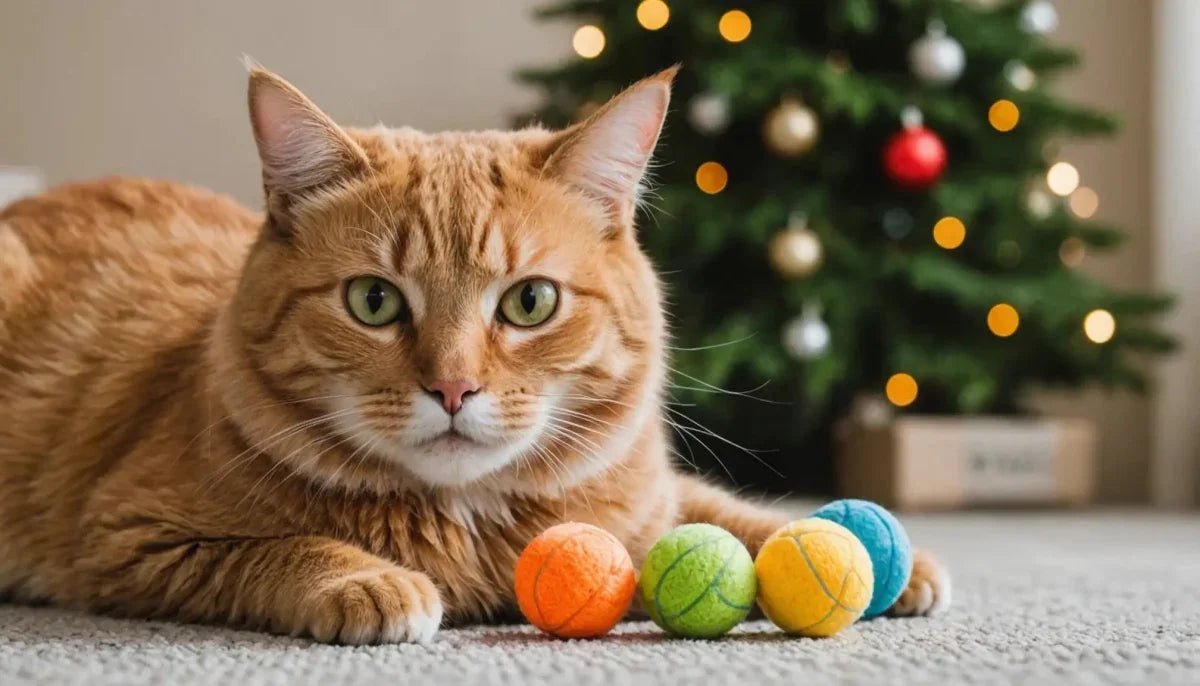
Must-Have Cat Toys for Cats with Antifreeze Sensitivities
Discover a world of engaging and safe toys tailored for feline companions with unique sensitivities. Cats, with their playful demeanor, deserve toys that not only entertain but also prioritize their well-being. For cats sensitive to certain substances, selecting the right toys is paramount. This guide presents a selection of must-have cat toys carefully crafted to ensure a hazard-free playtime experience. Toxic substances like antifreeze pose a significant risk to cats, making it crucial for pet owners to opt for toys that are free from harm. From interactive gadgets to plush companions and stimulating puzzles, these toys cater to the specific needs of sensitive felines, providing a secure environment for play. Let's explore a range of stimulating options that promise both fun and safety for your cherished pet. Elevate playtime by choosing toys that delight your cat while safeguarding their health and happiness.

Understanding Antifreeze Sensitivities in Cats
Causes and Symptoms of Antifreeze Poisoning in Cats
Antifreeze poisoning is a serious and potentially fatal condition in cats. This section will explore the common causes of antifreeze poisoning in cats, including accidental ingestion and exposure to spilled antifreeze. Additionally, we will delve into the symptoms that indicate a cat may have ingested antifreeze, such as vomiting, lethargy, and seizures. It's crucial for cat owners to recognize these signs promptly to seek immediate veterinary care, as early intervention is key in treating antifreeze poisoning.
Why Some Cats are More Sensitive to Antifreeze
Not all cats react the same way to antifreeze exposure. This part of the blog will discuss the reasons why some cats are more sensitive to antifreeze than others. Factors such as breed, age, and underlying health conditions can influence a cat's susceptibility to antifreeze poisoning. For instance, certain breeds like Siamese or domestic shorthair cats may be more susceptible due to genetic factors. Moreover, kittens and senior cats are at higher risk due to their developing or weakened immune systems. Understanding these sensitivities is crucial for cat owners to take necessary precautions and provide a safe environment for their pets.
Preventive Measures to Safeguard Cats from Antifreeze Exposure
In this final section, we will outline practical tips and preventive measures that cat owners can implement to safeguard their cats from antifreeze exposure. These may include storing antifreeze products securely in closed cabinets or high shelves inaccessible to cats, using pet-friendly antifreeze alternatives, such as propylene glycol-based products, and ensuring vehicles are checked for leaks regularly. Additionally, educating neighbors and community members about the dangers of antifreeze to pets can help prevent accidental exposures. By being proactive and vigilant, cat owners can significantly reduce the risk of antifreeze poisoning and create a safer environment for their beloved feline companions.
Importance of Immediate Veterinary Care
When a cat shows symptoms of antifreeze poisoning, immediate veterinary care is crucial. Veterinarians can administer treatments like activated charcoal to absorb the toxins, intravenous fluids to support kidney function, and medications to address symptoms like seizures. Delaying treatment can result in irreversible kidney damage or even death. Cat owners should have their veterinarian's contact information readily available and know the nearest emergency veterinary clinic in case of poisoning emergencies.
Public Awareness and Advocacy
Increasing public awareness about the dangers of antifreeze to pets is essential in preventing accidental poisonings. Cat owners can engage in advocacy efforts to promote the use of safer alternatives to traditional antifreeze products. Supporting legislative measures that require bittering agents in antifreeze, making it less appealing to pets, can also help reduce the number of poisoning cases. By advocating for pet-safe practices in communities and raising awareness about the risks associated with antifreeze, we can work together to protect our feline companions from harm.
Monitoring and Training
Regular monitoring of cats, especially those with a history of curiosity or exposure to outdoor environments, is key to preventing antifreeze poisoning. Cat owners should be vigilant about potential sources of antifreeze, such as garage spills or leaks from parked vehicles. Additionally, training cats to avoid ingesting unfamiliar substances and providing engaging indoor environments can reduce the likelihood of accidental poisonings. By incorporating training techniques and environmental enrichment, cat owners can help their pets stay safe and healthy.
Conclusion
Antifreeze sensitivities in cats pose a serious threat to their health and well-being. By understanding the causes, symptoms, and preventive measures related to antifreeze poisoning, cat owners can take proactive steps to protect their feline companions. Through a combination of education, advocacy, and responsible pet care practices, we can create a safer environment for cats and reduce the incidence of antifreeze-related emergencies. Together, we can ensure that our beloved feline friends lead happy and healthy lives free from the dangers of antifreeze exposure.
Criteria for Selecting Safe Cat Toys
Ensuring the safety of your beloved feline companion should be a top priority when selecting toys for them. Cats, particularly those with sensitivities, can be at risk from certain materials and chemicals commonly found in toys. To provide a secure play environment for your cat, consider the following essential criteria for choosing safe cat toys:.
- Materials to Avoid in Cat Toys for Antifreeze-Sensitive Cats
Cats are known to be attracted to the sweet smell and taste of antifreeze, a substance that is extremely toxic to them. To prevent any accidental ingestion, it is crucial to steer clear of toys made from materials containing ethylene glycol, such as specific rubber or plastic items. Opt for toys crafted from safe materials like natural fibers, organic catnip, or sturdy fabrics to eliminate the risk of exposure to harmful substances.
- Choosing Toys Without Harmful Chemicals
Prioritize selecting cat toys that are free from potentially hazardous chemicals like lead or phthalates. Check for products that are explicitly labeled as non-toxic and pet-safe to ensure that your cat remains protected from any dangerous substances while engaging in play. Additionally, consider opting for toys made from eco-friendly and sustainable materials to promote both your cat's well-being and environmental conservation.
- Interactive vs. Independent Toys for Safety
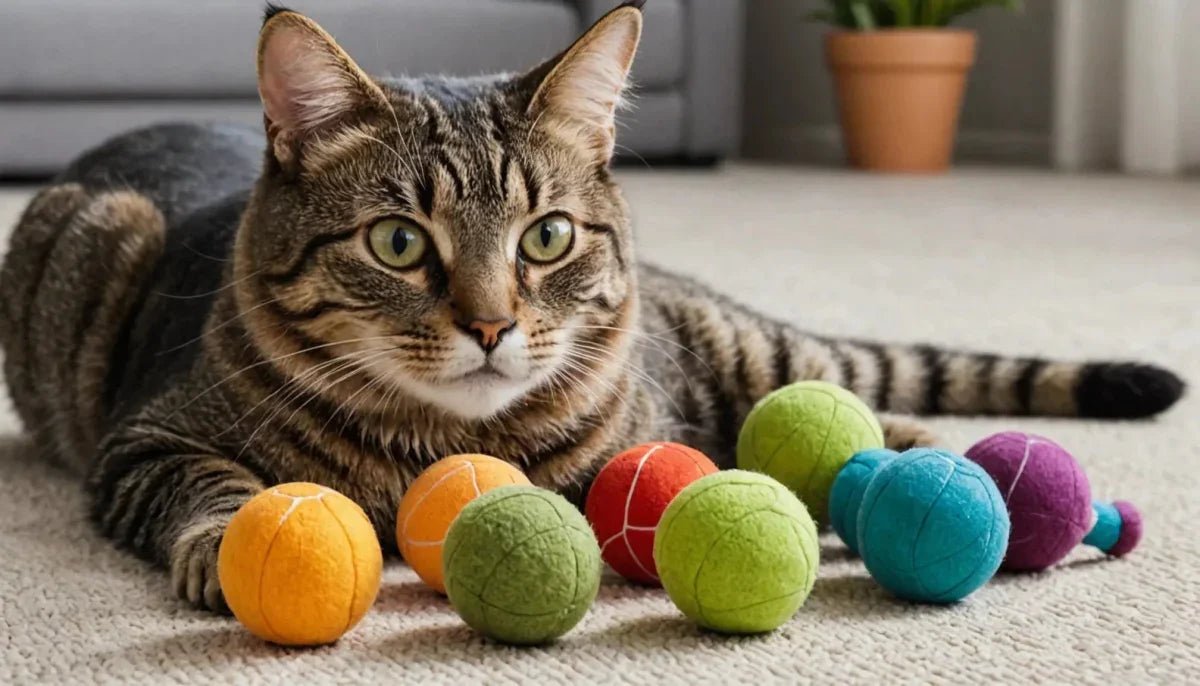
When deciding on toys, take into account your cat's individual play preferences and the level of supervision required. Interactive toys, such as teaser wands or treat puzzles, not only offer mental and physical stimulation but also enable you to actively participate in play sessions, fostering a stronger bond with your pet. On the other hand, independent toys like rolling balls or catnip-filled plushies can provide entertainment during solo playtime but may necessitate occasional monitoring to prevent any mishaps.
Moreover, consider the size and construction of the toys to prevent any choking hazards or sharp edges that could harm your cat. Regularly inspect toys for wear and tear, replacing them when damaged to avoid potential injuries. Introducing variety in your cat's toy collection can help prevent boredom and encourage engagement in play.
Remember, engaging in play activities with your cat not only enriches their lives but also strengthens the special bond you share with your feline companion. By conscientiously adhering to these guidelines and considering additional safety measures, you can confidently choose toys that prioritize your cat's safety and well-being, providing them with a stimulating and secure play environment.
Top Recommended Cat Toys for Cats with Antifreeze Sensitivities
Cats are curious creatures that love to play and explore their surroundings. However, for cats with antifreeze sensitivities, finding the right toys that are both safe and engaging is crucial. These furry friends require special attention to ensure their playtime is not only enjoyable but also free from any potential harm. Let's delve deeper into the top recommended cat toys specifically tailored for cats with antifreeze sensitivities.
Interactive Puzzle Feeders
Stimulating your antifreeze-sensitive cat's mind is essential for their overall well-being. Interactive puzzle feeders not only provide mental stimulation but also encourage problem-solving skills, keeping your feline friend entertained and engaged.
Wand Toys with Soft Materials
Opt for wand toys made from soft materials like feathers or fleece. These gentle toys are safe for cats with sensitivities and can provide hours of interactive play, promoting exercise and bonding time between you and your cat.
Laser Pointers
Laser pointers are a popular choice for playtime with cats. They offer a safe way to engage your antifreeze-sensitive cat in playful exercise without any physical contact with potentially harmful substances, allowing for interactive fun and exercise.
Catnip-Free Toys
While catnip is a beloved choice for many cats, those with antifreeze sensitivities may require alternative options. Look for cat toys that are catnip-free but still enticing and enjoyable for your furry companion, ensuring a safe and enjoyable play experience.
Robotic Toys
Robotic toys can simulate the movement of prey, keeping your cat entertained and engaged without the need for potentially toxic substances. These toys provide mental and physical stimulation, offering a great way to keep your cat active and entertained.
Cat owners with antifreeze-sensitive cats have shared positive reviews and recommendations for these specialized toys. Many have found that these options not only keep their cats safe but also provide ample entertainment and enrichment, enhancing their quality of life. Remember to always supervise your cat during playtime and regularly inspect toys for any signs of wear and tear to ensure continued safety.
Choosing the right toys for your cat with antifreeze sensitivities can significantly impact their overall well-being and happiness. By opting for safe and engaging options, you can ensure that your feline companion enjoys playtime to the fullest while staying away from any potential hazards, fostering a healthy and fulfilling bond between you and your beloved cat.
DIY Cat Toys for Antifreeze-Sensitive Cats
In a world where many household items can pose a threat to our feline friends, it's important to find safe alternatives. One common danger to cats is antifreeze, which can be toxic even in small amounts. To keep our antifreeze-sensitive cats entertained and safe, creating DIY toys is a wonderful solution. Not only are these toys safe, but they also provide mental and physical stimulation for our beloved pets.
Simple Homemade Toy Ideas
-
Sock Catnip Pouch : Take an old sock and fill it with catnip. Tie a knot at the open end, and voila! Your cat will enjoy pouncing on this fragrant toy.
-
Cardboard Scratcher : Cut up a cardboard box into smaller pieces and stack them together. Cats love scratching on cardboard, and this homemade scratcher will keep them away from toxic materials.
-
Feather Wand : Attach feathers to a stick using a string. This interactive toy will have your cat leaping and chasing for hours.
Instructions on Creating Safe DIY Toys
-
Always use non-toxic materials such as untreated wood, organic catnip, and natural fibers.
-
Avoid small parts that could be ingested and pose a choking hazard.
-
Supervise your cat while playing with DIY toys to ensure their safety.
Additional Creative Ideas for DIY Cat Toys
-
Treat Dispenser Puzzle : Create a simple treat dispenser using a small cardboard box with holes cut out. Fill it with your cat's favorite treats and watch them figure out how to get the treats out.
-
Paper Bag Hideout : Cut holes in a paper bag and place some crinkly paper inside. Cats love the sound of crinkling paper and will have a blast hiding and pouncing inside the bag.
-
DIY Cat Tunnel : Use old fabric or a large cardboard tube to create a tunnel for your cat to explore. Add some dangling toys inside for extra fun.
Importance of DIY Toys for Cats
Creating DIY toys not only ensures the safety of your antifreeze-sensitive cats but also promotes environmental sustainability by reusing household items. Additionally, engaging your cat in play with homemade toys helps in reducing stress, preventing boredom, and strengthening the bond between you and your pet.
By incorporating these additional creative ideas and understanding the importance of DIY toys, you can provide your feline companions with a variety of stimulating and safe play options. Experiment with different materials and designs to discover what toys your cats enjoy the most, and enjoy watching them play and stay entertained in a secure environment!.
Conclusion
It is essential for cat owners to be mindful of the toys they provide for their furry friends, especially for cats with antifreeze sensitivities. Opting for safe and non-toxic toys can prevent any potential harm and ensure the well-being of our beloved feline companions. By prioritizing the health and safety of our cats, we can create a happy and playful environment that promotes their physical and mental stimulation.


Leave a comment
This site is protected by hCaptcha and the hCaptcha Privacy Policy and Terms of Service apply.