


Top-Rated Cat Toys for Cats with Propellant Sensitivities
Welcome to a guide dedicated to ensuring your feline companion's playtime is both safe and enjoyable. Cats with propellant sensitivities require special consideration when it comes to their toys. In this comprehensive exploration, we present a selection of top-rated cat toys tailored to meet the unique needs of sensitive cats. From interactive toys to engaging puzzles, we offer a range of options to keep your furry friend entertained without any unwanted reactions. Whether your cat is sensitive to noise, materials, or scents, we have carefully handpicked toys that prioritize safety and fun. Say goodbye to concerns about your cat's well-being during playtime and hello to a world of exciting and secure toy choices. Join us on this journey to discover the perfect playthings for your beloved feline friend.

Understanding Propellant Sensitivities in Cats
Causes and Symptoms of Propellant Sensitivities in Cats
Propellant sensitivities in cats can arise due to exposure to various allergens present in their environment, certain foods in their diet, or even grooming products used on their fur. Environmental allergens like pollen, dust mites, and mold can trigger allergic reactions in sensitive cats. Similarly, certain ingredients in cat foods or treats, such as artificial additives or common allergens like wheat or soy, can also lead to propellant sensitivities. Additionally, chemicals present in grooming products like shampoos or flea treatments can cause adverse reactions in some felines.
Recognizing Symptoms of Propellant Sensitivities
Cats sensitive to propellants may display a range of symptoms that indicate an underlying issue. These symptoms can manifest as excessive itching, redness or inflammation of the skin, hair loss, digestive problems like vomiting or diarrhea, and overall discomfort. Some cats may also exhibit behavioral changes such as increased aggression or withdrawal due to the discomfort caused by propellant sensitivities.
Impact on a Cat's Well-being
The impact of propellant sensitivities on a cat's well-being can be profound. Chronic exposure to allergens or irritants can lead to persistent discomfort, pain, and a reduced quality of life for the affected feline. Skin issues resulting from propellant sensitivities can cause secondary infections, further exacerbating the cat's condition. Moreover, gastrointestinal problems stemming from food sensitivities can affect the cat's nutritional intake and overall health.
Taking Action for Your Cat's Health
As responsible pet owners, it is essential to proactively address propellant sensitivities in cats to ensure their health and happiness. Regular vet check-ups, allergy testing, and dietary adjustments can help identify and manage propellant sensitivities effectively. Avoiding known allergens, selecting. hypoallergenic grooming products , and providing a balanced diet can significantly improve a sensitive cat's well-being. By taking these proactive measures, pet owners can promote a comfortable and fulfilling life for their beloved feline companions.
Understanding Propellant Sensitivities in Cats: A Comprehensive Guide
Introduction
Cats, like humans, can suffer from various sensitivities and allergies that impact their health and well-being. One common issue that cat owners may encounter is propellant sensitivities, which can be triggered by a variety of environmental factors, dietary choices, and grooming practices. In this guide, we will delve deeper into the causes, symptoms, and effects of propellant sensitivities in cats, as well as provide practical tips on how to manage and alleviate these sensitivities to ensure your feline friend leads a happy and healthy life.
Causes and Symptoms of Propellant Sensitivities in Cats
Propellant sensitivities in cats can be attributed to a range of factors, with environmental allergens, food ingredients, and grooming products being primary culprits. Environmental allergens such as pollen, dust mites, and mold spores can trigger allergic reactions in susceptible felines, leading to symptoms like itching, skin inflammation, and gastrointestinal upset. Additionally, certain ingredients commonly found in cat foods, including artificial additives, preservatives, and allergens like wheat or soy, can also provoke sensitivities in cats, manifesting as skin issues, digestive disturbances, and overall discomfort. Moreover, the chemicals present in grooming products like shampoos, conditioners, and flea treatments can exacerbate propellant sensitivities, causing skin irritation, hair loss, and other adverse reactions.
Recognizing propellant sensitivities in cats requires careful observation of their behavior and physical condition. Cats experiencing sensitivities may exhibit signs such as excessive scratching, licking, or chewing of their fur, redness or inflammation of the skin, hair loss or bald patches, digestive problems like vomiting or diarrhea, and changes in appetite or energy levels. Moreover, some cats may display behavioral changes, such as increased aggression, hiding, or vocalization, as a response to the discomfort caused by propellant sensitivities. It is crucial for cat owners to be vigilant and seek veterinary advice if they suspect their feline companion is suffering from propellant sensitivities, as timely intervention can prevent the condition from worsening and improve the cat's quality of life.
Impact of Propellant Sensitivities on a Cat's Well-being
The effects of propellant sensitivities on a cat's overall well-being can be significant and multifaceted. Chronic exposure to allergens or irritants can not only cause physical discomfort and pain but also lead to secondary complications that affect the cat's health and quality of life. Skin issues resulting from propellant sensitivities, such as dermatitis, allergic reactions, and infections, can be particularly distressing for cats, as they may experience intense itching, pain, and discomfort. Moreover, persistent gastrointestinal problems stemming from food sensitivities can disrupt the cat's digestive system, leading to nutrient malabsorption, weight loss, and malnutrition. In severe cases, untreated propellant sensitivities can compromise the cat's immune system, making them more susceptible to infections, diseases, and other health issues.
Furthermore, the emotional and behavioral impact of propellant sensitivities should not be overlooked, as cats experiencing chronic discomfort and pain may exhibit changes in their mood, social interactions, and overall demeanor. Behavioral issues like aggression, fearfulness, or withdrawal can arise as a result of propellant sensitivities, affecting the cat's relationship with their human companions and other pets in the household. It is essential for cat owners to consider the holistic well-being of their feline friends and address not only the physical symptoms but also the emotional and psychological effects of propellant sensitivities to ensure a harmonious and fulfilling life for their beloved pets.
Managing Propellant Sensitivities in Cats
To effectively manage propellant sensitivities in cats, a comprehensive approach that addresses the root causes, triggers, and symptoms of the condition is essential. Here are some practical tips and strategies to help cat owners navigate propellant sensitivities and improve their feline companion's quality of life:.
-
Consult with a Veterinarian: If you suspect that your cat is suffering from propellant sensitivities, it is crucial to seek professional veterinary advice and guidance. A veterinarian can conduct diagnostic tests, allergy screenings, and physical examinations to pinpoint the triggers of your cat's sensitivities and recommend appropriate treatment options.
-
Identify and Avoid Allergens: Once the allergens triggering your cat's sensitivities have been identified, take proactive steps to eliminate or minimize their exposure. This may involve making changes to your cat's environment, such as using air purifiers,. hypoallergenic bedding , and avoiding outdoor allergens during high pollen seasons.
-
Opt for Hypoallergenic Products: When selecting grooming products, foods, and treats for your cat, opt for hypoallergenic options that are free from common allergens, artificial additives, and harsh chemicals. Look for products that are specifically formulated for sensitive skin and digestive systems to reduce the risk of triggering propellant sensitivities.
-
Implement Dietary Adjustments: If food sensitivities are contributing to your cat's propellant sensitivities, consider switching to a high-quality, limited-ingredient diet that is tailored to meet your cat's nutritional needs without aggravating their sensitivities. Work closely with your veterinarian to formulate a diet plan that addresses your cat's dietary requirements and sensitivities.
-
Monitor and Manage Symptoms: Keep a close eye on your cat's symptoms and behavior to track changes and improvements in their condition. Administer any prescribed medications, supplements, or treatments as directed by your veterinarian and follow up regularly to assess your cat's progress and adjust the management plan as needed.
-
Provide Comfort and Support: Create a safe, comfortable, and stress-free environment for your cat to help alleviate their discomfort and promote relaxation. Offer plenty of opportunities for rest, play, and social interaction, and ensure that your cat has access to fresh water, a clean litter box, and a cozy resting place to help them feel secure and content.
By following these guidelines and working closely with your veterinarian, you can effectively manage propellant sensitivities in your cat and improve their quality of life. Remember that each cat is unique, and what works for one may not work for another, so it's essential to tailor your approach to your cat's individual needs and preferences. With patience, understanding, and proactive care, you can help your feline companion live a happy, healthy, and propellant-free life.
Conclusion
Propellant sensitivities in cats are a common yet manageable condition that can significantly impact a cat's health, comfort, and well-being. By understanding the causes, symptoms, and effects of propellant sensitivities, cat owners can take proactive steps to identify, manage, and alleviate their feline companion's sensitivities effectively. Through a combination of veterinary care, environmental modifications, dietary adjustments, and attentive monitoring, cat owners can help their sensitive cats lead a fulfilling and propellant-free life. Remember that early detection and intervention are key to preventing complications and improving the quality of life for cats with sensitivities. By prioritizing your cat's health and happiness, you can ensure that they thrive and enjoy a vibrant and joyful existence as cherished members of your family.
References
- American Association of Feline Practitioners. (2021). Environmental Allergies in Cats
- Cornell University College of Veterinary Medicine. (2018). Food Allergies
- The Humane Society of the United States. (2020). Allergic Dermatitis in Cats
Remember, your cat's health and happiness are in your hands. Take the necessary steps to understand, identify, and address propellant sensitivities to ensure a bright and propellant-free future for your beloved feline companion!.
Choosing the Right Cat Toys for Cats with Propellant Sensitivities
When it comes to selecting cat toys for cats with propellant sensitivities, there are several important factors to consider. Understanding these factors can help ensure that your feline friend has a safe and enjoyable playtime. Here are some key points to keep in mind:.
-
Material Composition: Opt for cat toys made from natural materials such as organic cotton, wool, or sisal. Avoid toys with synthetic materials or strong chemical scents that may trigger sensitivities.
-
Size and Texture: Choose toys that are soft, lightweight, and easy to grip. Avoid toys with sharp edges, small parts, or rough textures that could irritate your cat's skin or mouth.
-
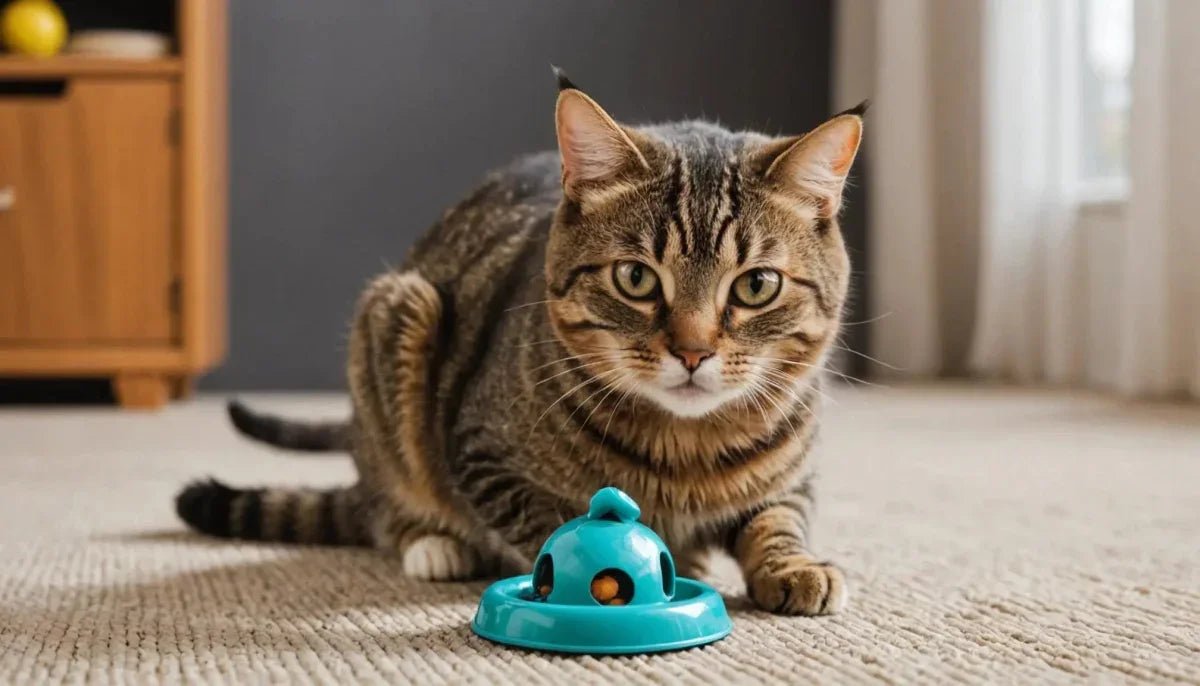
Interactive Toys: Consider interactive toys that allow you to engage with your cat during playtime. Wand toys, puzzle feeders, and treat-dispensing toys are great options that can stimulate your cat's mind and body without the need for propellants.
-
Scent-Free Options: Opt for cat toys that are free from added scents or fragrances. Cats with sensitivities can be easily overwhelmed by strong smells, so it's best to stick to unscented toys.
-
Noise Levels: Some cats may be sensitive to loud or sudden noises. Choose toys that produce minimal sound to avoid startling or stressing your cat during play.
Types of Cat Toys Suitable for Cats with Propellant Sensitivities
Now that you know what to look for in cat toys for sensitive cats, here are some specific types of toys that are suitable for cats with propellant sensitivities:.
-
Plush Toys: Soft, plush toys are gentle on your cat's skin and provide a comforting texture for them to cuddle and play with.
-
Catnip-Free Toys: While many cats enjoy catnip, some may have sensitivities to it. Opt for catnip-free toys that still offer engaging play without the use of this common additive.
-
Natural Fiber Toys: Toys made from natural fibers like hemp or jute are eco-friendly and safe options for cats with sensitivities to synthetic materials.
-
Teething Toys: For kittens or cats that like to chew, teething toys made from safe materials can provide relief without the need for chemical-laden alternatives.
By considering these factors and exploring the various types of cat toys suitable for cats with propellant sensitivities, you can create a fun and enriching play environment for your furry companion while keeping their sensitivities in mind.
Top-Rated Cat Toys for Cats with Propellant Sensitivities
When it comes to choosing toys for your feline companion, especially if they have propellant sensitivities, it's essential to look for options that are safe, engaging, and free from any potential irritants. Here are some top-rated cat toys that are sure to keep your furry friend entertained without causing any unwanted reactions.
- Interactive Toys that are Propellant-Free
Interactive toys are a fantastic choice for cats with propellant sensitivities. These toys stimulate your cat's natural instincts to hunt, pounce, and play, providing both physical and mental enrichment. Look for interactive toys such as puzzle feeders, laser pointers, or feather wands that do not contain any propellants or harsh chemicals.
- Soft and Plush Toys for Gentle Play
Soft and plush toys are ideal for cats with sensitive skin or allergies to propellants. These toys are gentle on your cat's paws and mouth, making them perfect for cuddling, carrying around, and even using as a comforting nap buddy. Opt for toys made from high-quality, hypoallergenic materials to ensure your cat's safety and enjoyment.
- Natural and Organic Toy Options
For environmentally conscious pet parents or cats with extreme sensitivities, natural and organic toy options are a great choice. These toys are typically made from sustainable materials such as organic cotton, hemp, or wool, and are free from any synthetic dyes or fragrances that could trigger a reaction. Not only are natural toys safer for your cat, but they also help reduce your carbon footprint.
- Interactive Puzzle Feeders
Interactive puzzle feeders are not only great at providing mental stimulation for your cat but can also help slow down fast eaters and prevent digestive issues. These feeders require your cat to work for their food, mimicking their natural hunting behavior and keeping them engaged for longer periods.
- Feather Wands with Natural Feathers
Feather wands are a favorite among many cats, especially those with propellant sensitivities. Opt for wands that use natural feathers instead of synthetic materials for a more authentic play experience. The movement of the feathers mimics prey, triggering your cat's hunting instincts and providing a fun and interactive play session.
- Eco-Friendly Catnip Toys
Catnip toys are a classic choice for cat owners, but for cats with propellant sensitivities, it's crucial to choose eco-friendly options. Look for catnip toys made from organic catnip and durable, non-toxic materials to ensure your cat can enjoy the benefits of catnip without any harmful additives.
Selecting cat toys for your furry friend with propellant sensitivities involves considering their safety and enjoyment. By opting for interactive toys, soft and plush options, natural and organic alternatives, interactive puzzle feeders, feather wands with natural feathers, and eco-friendly catnip toys, you can provide a diverse range of play experiences while prioritizing your cat's well-being. Remember to observe your cat's preferences and play habits to tailor their toy selection accordingly and promote a happy and healthy bond between you and your feline companion.
DIY Cat Toy Ideas for Sensitive Cats
Simple Homemade Toy Options
Sensitive cats can often be overwhelmed by loud or complex toys. Creating simple homemade toys can provide them with the perfect amount of stimulation without causing stress. Here are a few ideas:.
-
Feather Wand : Attach feathers to a stick for a simple yet engaging toy that mimics a bird.
-
Cardboard Boxes : Cats love exploring small spaces. Leave out some empty cardboard boxes for them to play in.
-
Crinkle Balls : Wrap up some crinkly paper into a ball for a fun and lightweight toy.
-
Sock Fish : Fill a sock with catnip and crinkle paper, then tie it off to create a floppy fish toy.
-
Paper Bag Hideout : Cut holes in a paper bag to create a cozy hiding spot for your cat.
Tips for Creating Engaging DIY Toys
When making toys for sensitive cats, keep the following tips in mind:.
-
Avoid Loud Sounds : Opt for materials that don't make loud noises to prevent startling your cat.
-
Use Soft Materials : Choose soft fabrics or materials that won't hurt your cat's delicate paws.
-
Simplicity is Key : Stick to simple designs and avoid overly complicated toys.
-
Interactive Toys : Create toys that encourage interaction between you and your cat, such as a treat puzzle.
-
Sensory Play : Incorporate different textures like fleece, faux fur, and crinkly materials to engage your cat's senses.
-
DIY Cat Trees : Build a small cat tree using cardboard, carpet remnants, and sisal rope for climbing and scratching.
-
Safety First : Always supervise your cat during playtime and ensure all DIY toys are secure and free of small parts that could be swallowed.
Additional DIY Cat Toy Ideas for Sensitive Cats
Expanding on the simple homemade toy options, here are some more ideas to keep your sensitive cat entertained:.
-
Sock Mouse : Similar to the sock fish, create a mouse-shaped toy filled with catnip for your feline friend to bat around.
-
Treat Dispenser Balls : Repurpose old tennis balls by cutting a small hole in them and filling them with treats. Your cat will have a blast trying to get the treats out.
-
Feather Teaser : Attach feathers to a string for a handheld toy that allows you to interact with your cat in a gentle and engaging way.
-
Paper Tube Puzzle : Stuff paper tubes with treats or crinkly paper and fold the ends to create a puzzle toy that challenges your cat's problem-solving skills.
Enhancing Playtime with Sensitive Cats
To make playtime even more enjoyable for your sensitive cat, consider the following tips:.
-
Rotate Toys : Keep your cat interested by rotating their toys regularly, so they always have something new to explore.
-
Create a Play Space : Designate a specific area in your home for playtime that is quiet and free of distractions.
-
Scent Enrichment : Sprinkle cat-safe herbs like catnip or silver vine on toys to add an extra element of fun for your cat.
-
Play Together : Bond with your cat by engaging in interactive play sessions that strengthen your relationship and provide mental stimulation.
-
Outdoor Enclosures : If possible, create a safe outdoor enclosure or catio where your cat can experience the sights and sounds of the outdoors in a secure environment.
By incorporating these additional DIY cat toy ideas and playtime enhancements, you can create a stimulating and enriching environment for your sensitive feline companion.
Conclusion
It is crucial for cat owners to prioritize the well-being of their feline companions, especially when it comes to addressing propellant sensitivities. By investing in top-rated cat toys specifically designed for cats with propellant sensitivities, pet owners can ensure that their furry friends can engage in playtime safely and enjoyably. Remember, a happy and healthy cat is a playful cat!.


Leave a comment
This site is protected by hCaptcha and the hCaptcha Privacy Policy and Terms of Service apply.